Roofing Golf Clubhouses and Sports Facilities Between Tee Times
The Grand Strand has more golf courses per mile than almost anywhere on the East Coast, and every clubhouse, cart barn, and pro shop roof out there takes direct wind exposure across open fairways with none of the wind-break a downtown building gets from neighboring structures. We roof clubhouses, ballfield press boxes, and recreation complexes with that exposure in mind rather than a generic commercial spec.
Wind Exposure on Open-Fairway Structures
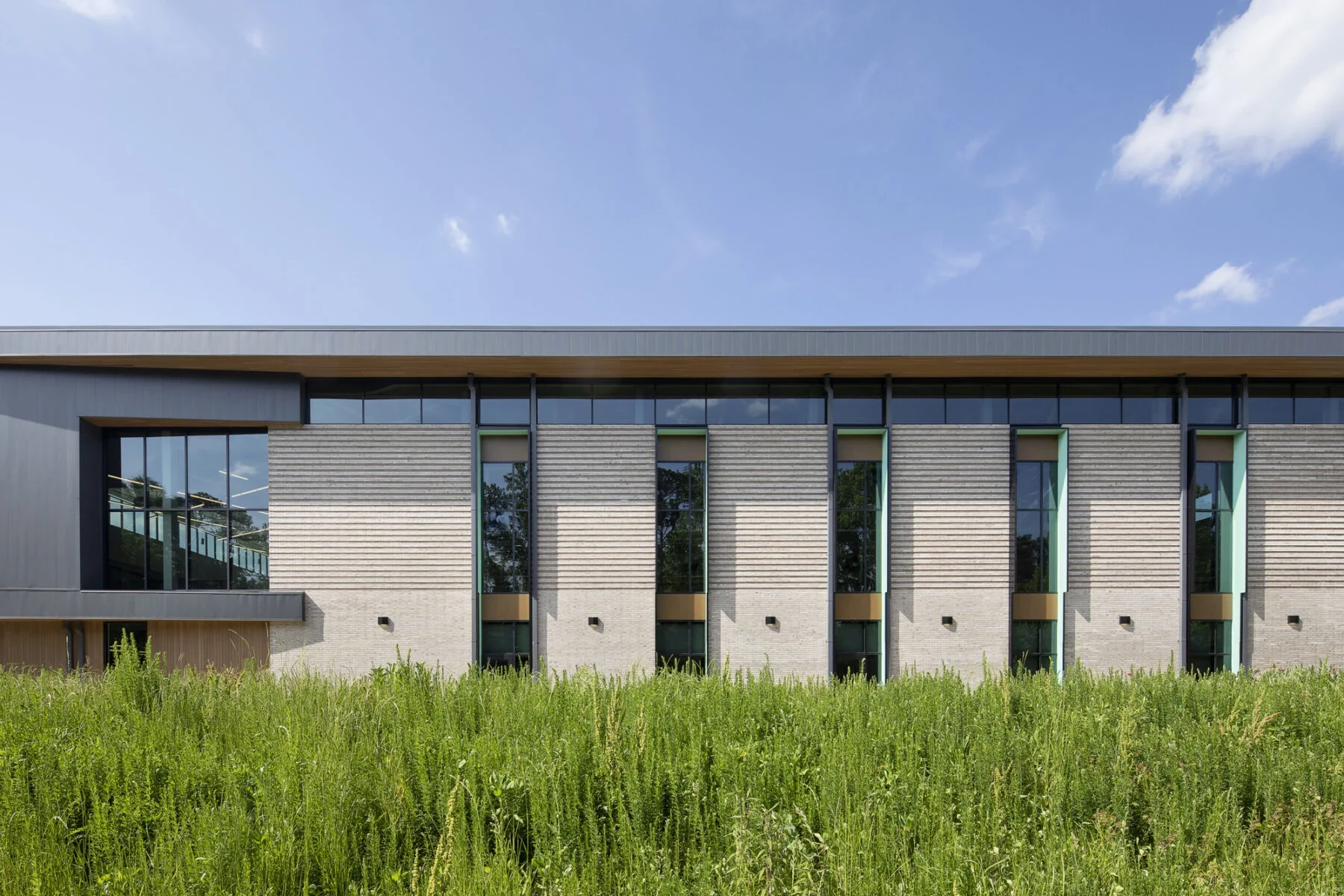
A clubhouse sitting at the high point of a course, or a cart barn with long open sightlines across the fairway, sees wind loading closer to an oceanfront building than a sheltered inland strip center. Standing seam metal roofs are common on Grand Strand clubhouses for their look and durability, and we detail panel clips, ridge caps, and eave conditions to the wind-uplift rating the structure actually needs rather than a standard residential-grade installation.
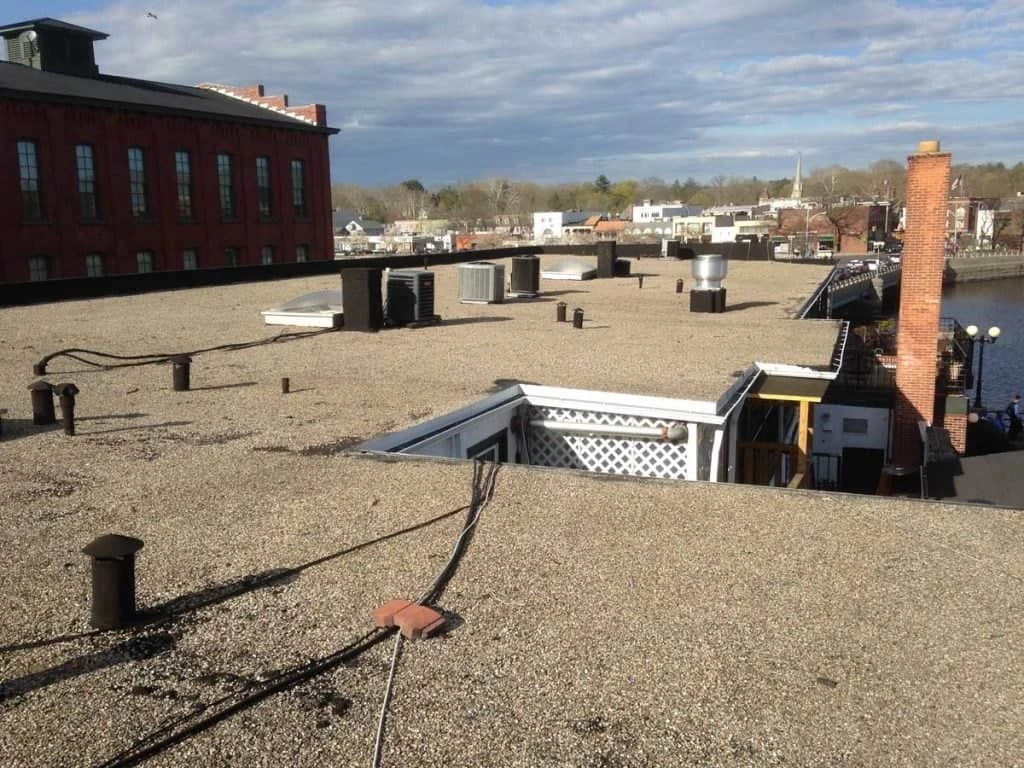
Low-slope sections over pro shops, banquet additions, and equipment storage get the same fastening-density scrutiny at corners and edges that we'd apply on any coastal commercial roof.
Cart barns present their own wrinkle since they're often open on one or more sides for cart access, which changes how wind pressure moves through the structure compared to a fully enclosed building. We account for that open-sided geometry separately when specifying roof attachment rather than treating a cart barn like a smaller clubhouse.
Coordinating Around Tee Sheets and Tournament Dates
A course can't just close the clubhouse for a week during season, and a tournament date locked in months ahead isn't moving for a roofing schedule. We get the tee sheet and event calendar from the general manager before mobilizing, and we stage crane lifts, material delivery, and loud demolition for the early morning window before the first tee time or during a scheduled course closure day if the property has one.
Banquet and event spaces inside the clubhouse get the same treatment we'd give a restaurant kitchen - work sequenced so a booked wedding or member event isn't sitting under an open roof section.
Ballfields, Press Boxes, and Recreation Complex Structures
Beyond golf, the recreation complexes and ballfield facilities around Horry County have their own mix of press box roofs, concession stand roofs, and covered grandstand structures, each with different slope and attachment needs. We evaluate press box and concession roofs the same way we would a small standalone commercial building, since they're built to the same codes even at a smaller scale.
- Standing seam panel clip and fastening pattern rated for the site's wind exposure
- Ridge cap and eave flashing condition on open-fairway or open-field structures
- Low-slope roof sections over pro shops, concessions, and equipment storage
- Drain and gutter capacity relative to the structure's actual roof area
- Rooftop-mounted scoreboard, speaker, or lighting anchor points where present
- Prior patch work at ridge and valley transitions on metal roofs
Recreation facilities with sports lighting or scoreboard equipment anchored to a roof structure need those attachment points evaluated as part of any reroof scope, the same way a venue's speaker rigging does.
Covered grandstand and bleacher roofs at municipal recreation complexes typically run a simple sloped metal panel system, but the long spans and exposed edges over open seating areas mean panel and fastener failure has a direct safety implication for anyone underneath. We flag any loose panel or fastener at these structures for immediate correction rather than scheduling it into routine maintenance.
Maintenance Between Tournament Seasons
Irrigation and drainage design around a course also interacts with roof drainage more than most facility managers expect, since a clubhouse or cart barn sitting near a low point on the course can see standing water back up against a foundation if roof drains and site grading aren't both accounted for together. We flag that interaction when we see it during an inspection, even when the roof itself is performing fine.
The off-season window between major tournament and league calendars is usually the right time for larger clubhouse or facility roof work, and we plan capital projects for that window when a course or recreation department can give us the lead time.
For municipal and county recreation departments managing multiple fields and complexes across Horry County, we can coordinate a rotating inspection schedule so budget requests for roof work line up with the department's annual capital planning cycle instead of arriving as surprise repairs.
Questions Course and Facility Managers Ask Us
Can you work around a tournament schedule?
Yes, we get the tee sheet and event calendar before scheduling anything and plan the loudest work around it.
Why is standing seam so common on clubhouses out here?
It handles the open wind exposure well and holds up visually, but only if the panel clips and fastening pattern are actually rated for the site's exposure rather than a standard residential spec.
Do banquet and event spaces need special scheduling?
Yes, we treat a booked event space the same way we'd treat a restaurant kitchen - sequenced so it's never sitting under an open roof section on a booked date.
Can you inspect press boxes and concession stands as part of the same visit?
Yes, we walk the full facility footprint including smaller structures like press boxes and concession roofs during a single inspection visit.
When's the best time of year for clubhouse roof work?
The off-season window between major tournament and league dates, which we'll help you identify once we know the facility's calendar, and we'll flag anything urgent enough that it shouldn't wait for that window regardless of the schedule.