
Roofing Occupied Apartment and Condo Buildings One Section at a Time
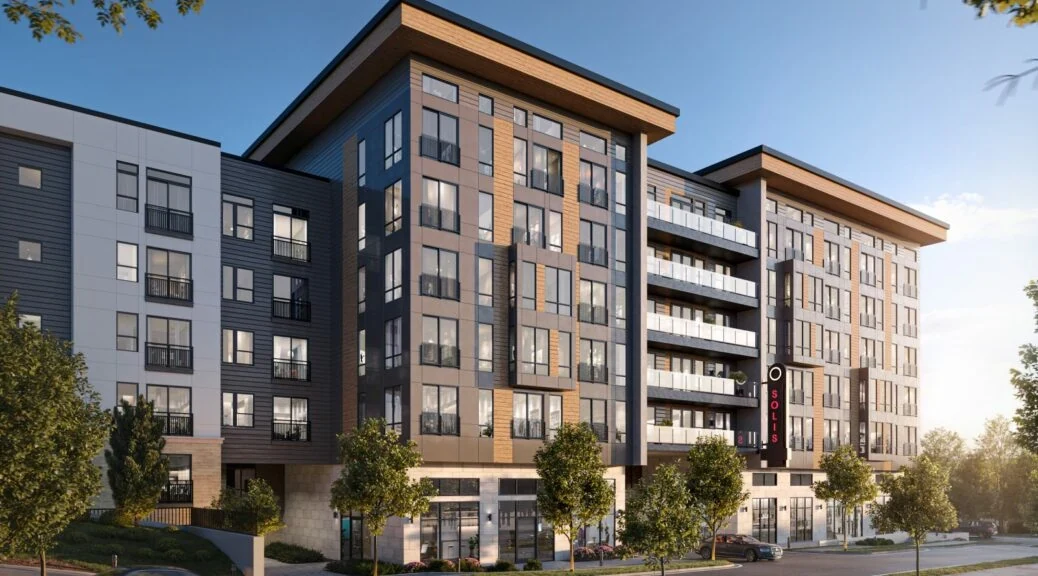
Multifamily roofing on the Grand Strand covers everything from garden-style apartment complexes off Carolina Forest Boulevard to beachfront condo towers with HOA boards and unit owners who all have opinions about the special assessment. Every project we run on an occupied residential building gets sequenced so residents keep living there through the work, not around it.
Sloped and Low-Slope Systems on the Same Property
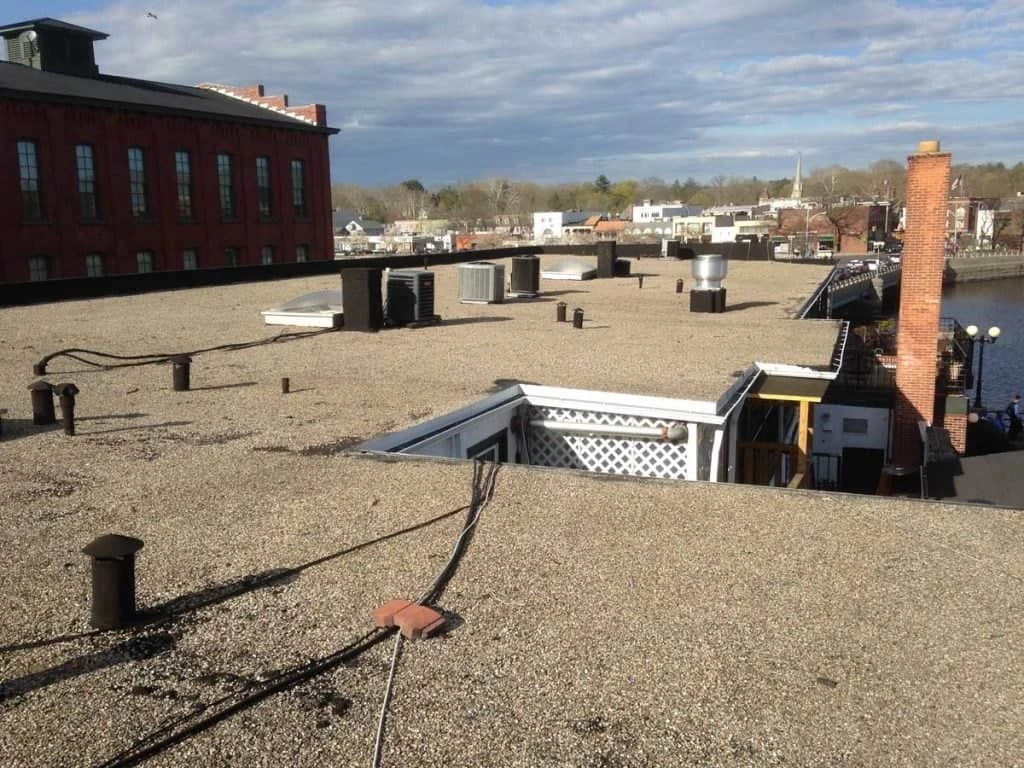
A lot of Grand Strand apartment communities mix pitched shingle or metal roofs over residential buildings with flat membrane roofs over clubhouses, leasing offices, and parking garages. We evaluate each roof type on its own terms rather than applying one system across a whole property, since a standing seam roof over a clubhouse and a low-slope TPO roof over a garage deck fail differently and need different maintenance schedules.
Wind-rated fastening and shingle sealant strips matter as much on a three-story apartment building as they do on a hotel tower, and we spec accordingly for hurricane exposure rather than using a standard inland fastening schedule.
Attached garages and carport structures common on newer Carolina Forest and Conway communities also get evaluated separately, since a carport roof carries different wind exposure than a fully enclosed residential building and often gets skipped during a routine property-wide inspection.
HOA Budget Cycles and Special Assessments
Condo and HOA boards typically plan capital roofing spend a year or more in advance, tied to reserve study timelines and annual budget votes. We provide the kind of detailed scope, cost breakdown, and remaining-life assessment that a board can bring to an annual meeting or a reserve study update, rather than a one-line quote that raises more questions than it answers.
Where a full reroof isn't in the current reserve budget, we're direct about what targeted repair and maintenance can realistically extend the roof's life until the next capital cycle, and what it can't.
For boards weighing a special assessment against a phased multi-year replacement plan, we lay out both paths with real cost and timeline detail so the decision is the board's to make with full information rather than a single option presented as the only one.
Working Around Occupied Units
Residents don't move out for a roof project. We sequence tear-off and replacement building by building or wing by wing, protect balconies and patios directly below active work, and give residents realistic notice windows for noise rather than a vague "sometime this month" timeline.
- Building-by-building sequencing so only one structure is under active work at a time
- Balcony and patio protection directly below tear-off zones
- Resident notice windows for noise and parking impact
- Debris containment away from playgrounds, pools, and common walkways
- Coordination with on-site property management for access and gate codes
- Weather contingency planning specific to hurricane season
On gated communities we coordinate directly with the on-site property manager for access, parking restrictions during work hours, and any resident communication that needs to go out ahead of the crew arriving.
Vehicle and pet safety near active work zones is another detail that gets overlooked on occupied residential sites. We fence and mark tear-off zones clearly, keep debris containers covered between work sessions, and clean up nail and fastener debris from parking areas and walkways at the end of every work day rather than waiting until project close-out.
Storm Readiness Between Capital Projects
Trees near the property line are worth a specific mention on the Grand Strand, since a limb dropped by wind across a shingle field or onto a low-slope clubhouse roof is one of the most common storm-related calls we get after a named system passes through. We flag overhanging limbs close enough to the roofline to be a concern during a routine inspection, even though tree work itself falls outside what we do.
Between full reroofs, the properties that avoid emergency claims are the ones with a real inspection routine - checking shingle sealant strip integrity, flashing at dormers and roof-to-wall transitions, and gutter and downspout capacity before hurricane season each year rather than after a named storm has already tested the roof.
A pre-season walk typically costs a fraction of what a single wind-driven leak claim runs, and it gives the board a documented record showing reasonable maintenance was performed, which matters if an insurer ever questions a storm claim.
Questions HOA Boards and Property Managers Ask Us
Can you give us documentation our reserve study consultant will accept?
Yes, we provide remaining-life assessments and cost detail formatted the way most reserve study firms expect to see it.
How do you handle noise complaints from residents during a reroof?
We give the board and residents a real schedule in advance, sequence work building by building, and keep the loudest demolition contained to daytime hours.
Do balconies and patios need to be cleared before work starts?
We ask residents to clear anything valuable or breakable from balconies directly below active work, and we protect the surface itself during tear-off regardless.
What should we budget for between full reroofs?
A pre-hurricane-season inspection and any flagged flashing or sealant repair, which is far less expensive than an emergency claim after storm damage that routine maintenance would have caught, and it gives the board a predictable line item instead of an unplanned special expense.
Can you work with our on-site property manager instead of individual owners?
Yes, we coordinate scheduling, access, and resident communication through whoever the board designates as the point of contact, and we're glad to attend a board meeting directly if members want to hear the plan firsthand.