Acrylic Coating for Reflective, Budget-Conscious Roof Restoration
A coating recommendation starts with adhesion, moisture, drainage, membrane condition, detail preparation, and warranty eligibility-not every existing roof is a restoration candidate. When a metal roof has decent slope and no standing water problem, acrylic coating is usually the more affordable restoration option compared to silicone, and it does the job well on the sloped panel roofs common across the Strand's clubhouses and flex buildings.
Why Acrylic Works Well on Sloped Metal Roofs Here
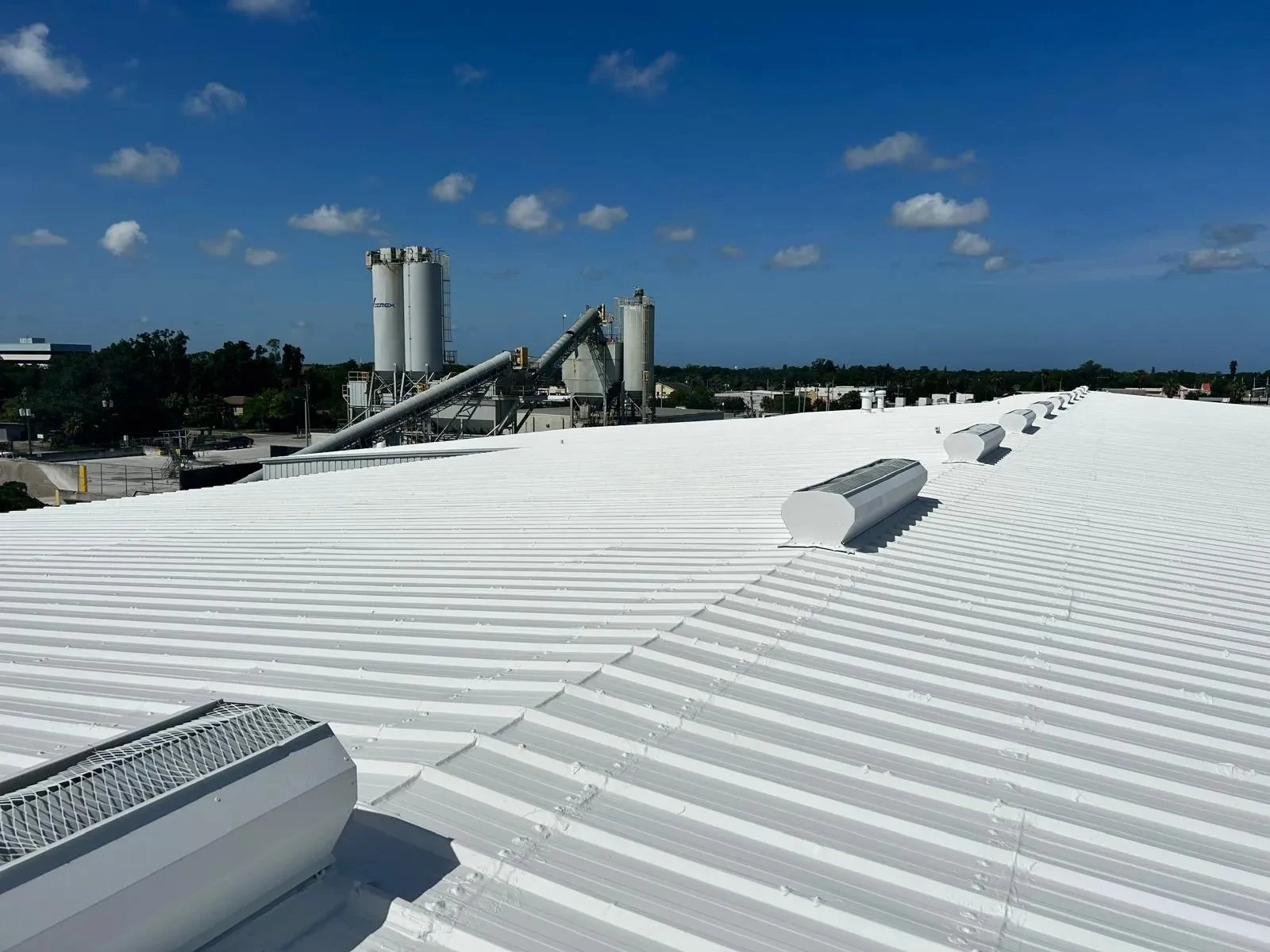
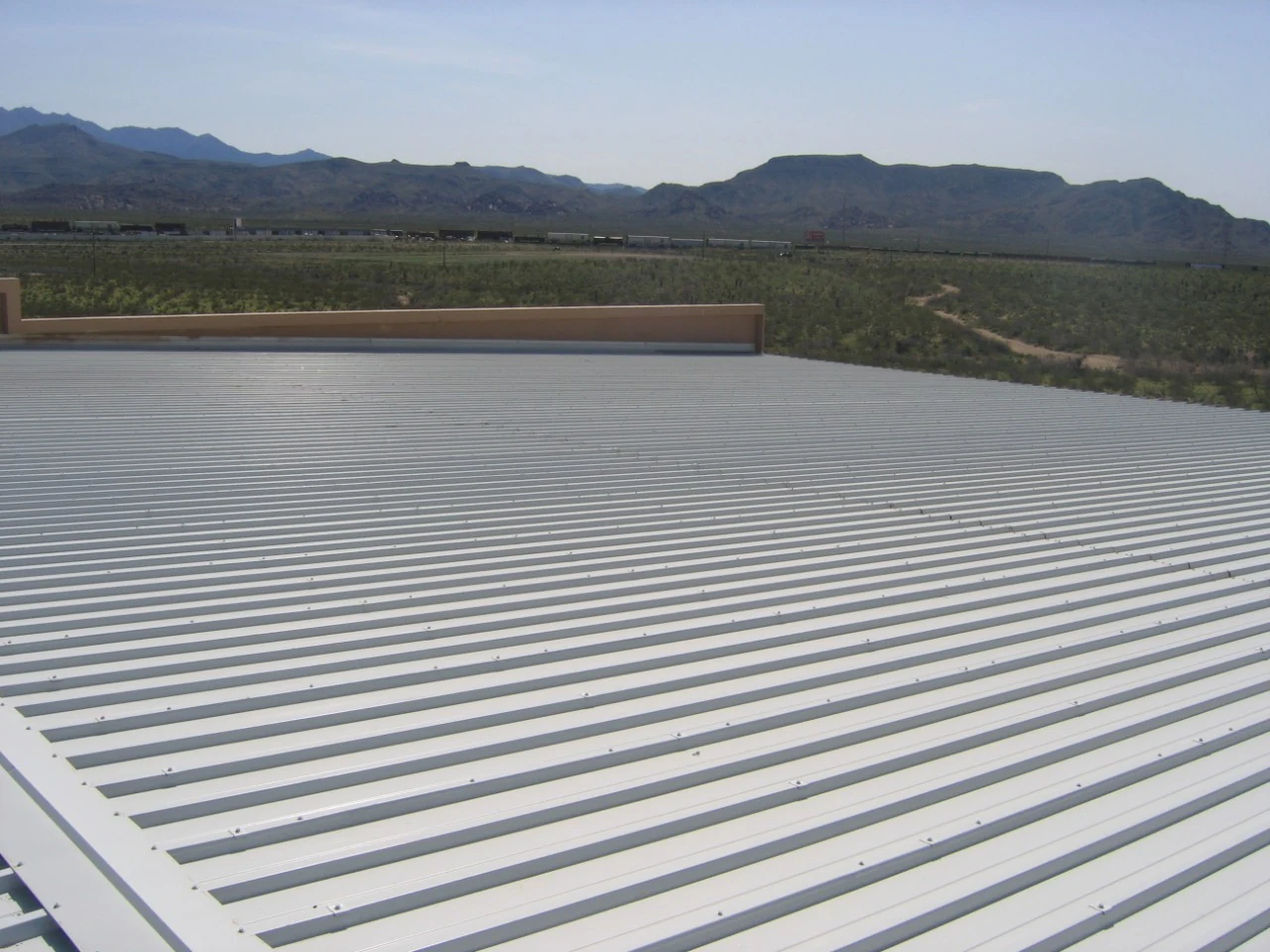
Acrylic coatings bond well to metal and provide strong UV reflectivity at a lower material cost than silicone, which makes them the practical choice on roofs where water sheds off quickly and doesn't sit around testing the coating's water resistance. A lot of the R-panel and standing seam roofs on clubhouses, storage buildings, and flex space around Conway and the inland corridors fit that profile well.
The reflective white or light-colored finish also cuts surface temperature on a metal roof significantly during a Myrtle Beach summer, which reduces thermal cycling stress on the panels and any rooftop equipment mounted on the roof.
Where Acrylic Isn't the Right Call
Any roof with low spots that hold water after a storm is a poor acrylic candidate -- prolonged moisture contact breaks the coating down faster than it would on a roof that drains cleanly. On those roofs we recommend silicone instead, even though it costs more, because a coating that fails in the areas that need protection most isn't saving anyone money.
We also don't recommend acrylic on roofs with heavy foot traffic or frequent rooftop equipment servicing, since it doesn't hold up to repeated mechanical wear as well as some other coating chemistries.
Reflectivity and What It Actually Saves on a Hotel HVAC Bill
On a conditioned building, a reflective coating reduces the amount of solar heat transferring through the roof assembly into occupied space below, which takes some load off the air conditioning system during the months it's running hardest. The effect is most noticeable on buildings with minimal roof insulation, where the coating is doing more of the thermal work than it would on a well-insulated newer building.
For an unconditioned building like a storage facility or equipment barn, the benefit shows up more in reduced panel temperature swings and less thermal stress on seams and fasteners over time than in any energy bill.
- Sloped metal roofs on clubhouses and flex buildings
- Storage and equipment structures without occupied space below
- Roofs with clean drainage and no ponding history
- Property portfolios standardizing on a lower-cost coating program
- Buildings needing reflectivity more than chemical resistance
- Metal panel roofs approaching end of factory finish life
Recoat Cycles We Recommend on Coastal Metal
Coastal UV works on an acrylic coating faster than it does further inland, so we generally recommend a shorter recoat interval on Strand-area buildings than we would on the same coating system in a market with less intense year-round sun. We track coating thickness and chalking at each inspection to decide when a recoat is actually due rather than just going by a fixed calendar interval.
Buildings further inland toward Aynor and Loris tend to hold a coating a bit longer between recoats than roofs closer to the immediate coastline, simply because they're catching less direct salt exposure alongside the same UV load.
Prep Work That Determines Whether the Coating Holds
Same as any coating system, acrylic only performs as well as the surface prep underneath it. Rust spot treatment on metal panels, pressure washing to remove chalking and biological growth, and a compatible primer where bare metal is exposed all matter more to long-term performance than the coating brand itself.
We test adhesion on a sample area before committing to a full roof application, particularly on older panels where factory finish condition varies across the roof.
Matching the Coating to the Building's Actual Use
We ask what the space under the roof is used for before recommending acrylic over any other option. A cart barn or equipment shed with no climate control gets a different recommendation than an occupied office space, even if both roofs are the same age and material, because the payback on reflectivity looks completely different once you factor in whether anyone's paying to condition the air underneath.
Portfolio owners managing several similar metal buildings across the Grand Strand sometimes standardize on acrylic across the board for simplicity, and that's a reasonable call as long as none of those roofs have a ponding problem that acrylic can't handle.
Acrylic Coating Questions We Get on Site
Is acrylic cheaper than silicone coating?
Generally yes, and it performs well on roofs without ponding issues. Silicone costs more but handles standing water significantly better.
Can acrylic go over an old R-panel roof with some rust?
Often yes, after spot rust treatment and proper surface prep. Extensive corrosion may call for panel repair or replacement before coating makes sense.
How much does a reflective coating actually reduce roof temperature?
It varies by roof and insulation, but the surface temperature drop on a coated metal roof compared to bare or dark metal is substantial during peak summer sun.
How often should an acrylic-coated roof get recoated here?
We recommend shorter intervals than you'd use inland, given the intensity of coastal UV, and we base the actual timing on coating thickness and chalking observed at inspection.
Will acrylic work on a roof with any ponding water at all?
Occasional light ponding that drains within a day or two is usually fine. Persistent standing water calls for silicone or a drainage correction instead.