
PVC Membrane for Roofs That Sit Over Grease and Chemical Exhaust
Restaurant Row and the hotel kitchen exhaust systems that feed thousands of rooms along the Strand put more grease and chemical exposure on a roof than most inland markets ever see. PVC handles that exposure better than any other single-ply membrane we install.
Restaurant Row and the Grease Problem Other Membranes Can't Handle
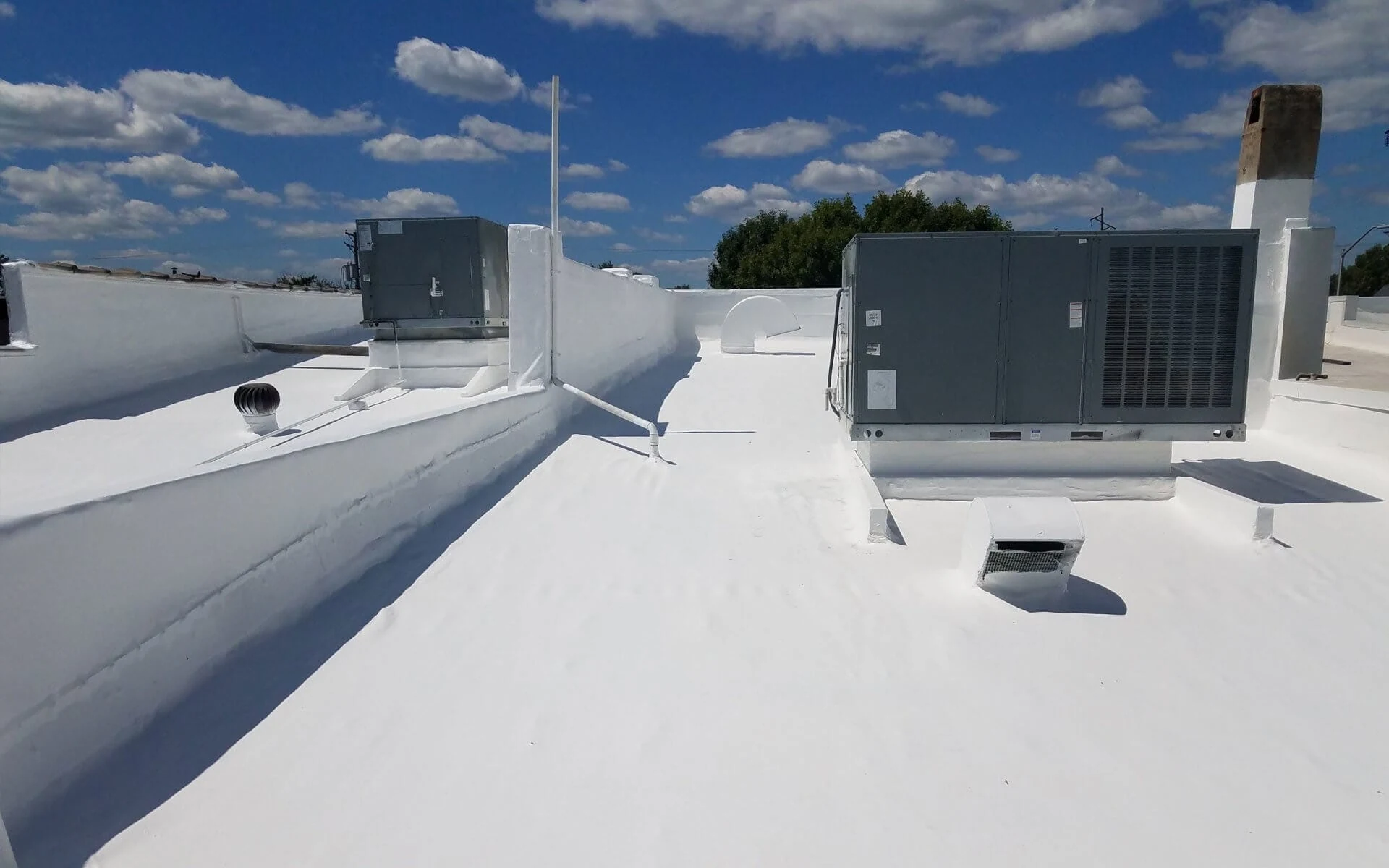
Kitchen exhaust fans push airborne grease onto the roof deck around them, and that grease breaks down the plasticizers in a lot of roofing membranes over time, leaving the material brittle and prone to cracking. PVC's chemistry resists that breakdown in a way TPO and EPDM don't, which is why we default to it on any roof carrying restaurant, hotel banquet kitchen, or food-court exhaust.
This isn't a small niche on the Strand. Between Restaurant Row on Highway 17 North, the dining strips around Broadway and Market Common, and every hotel with an in-house kitchen, grease-exposed roof area adds up to a meaningful share of what we quote in a given year.
Heat-Welded Seams Under Hurricane-Season Wind Loads
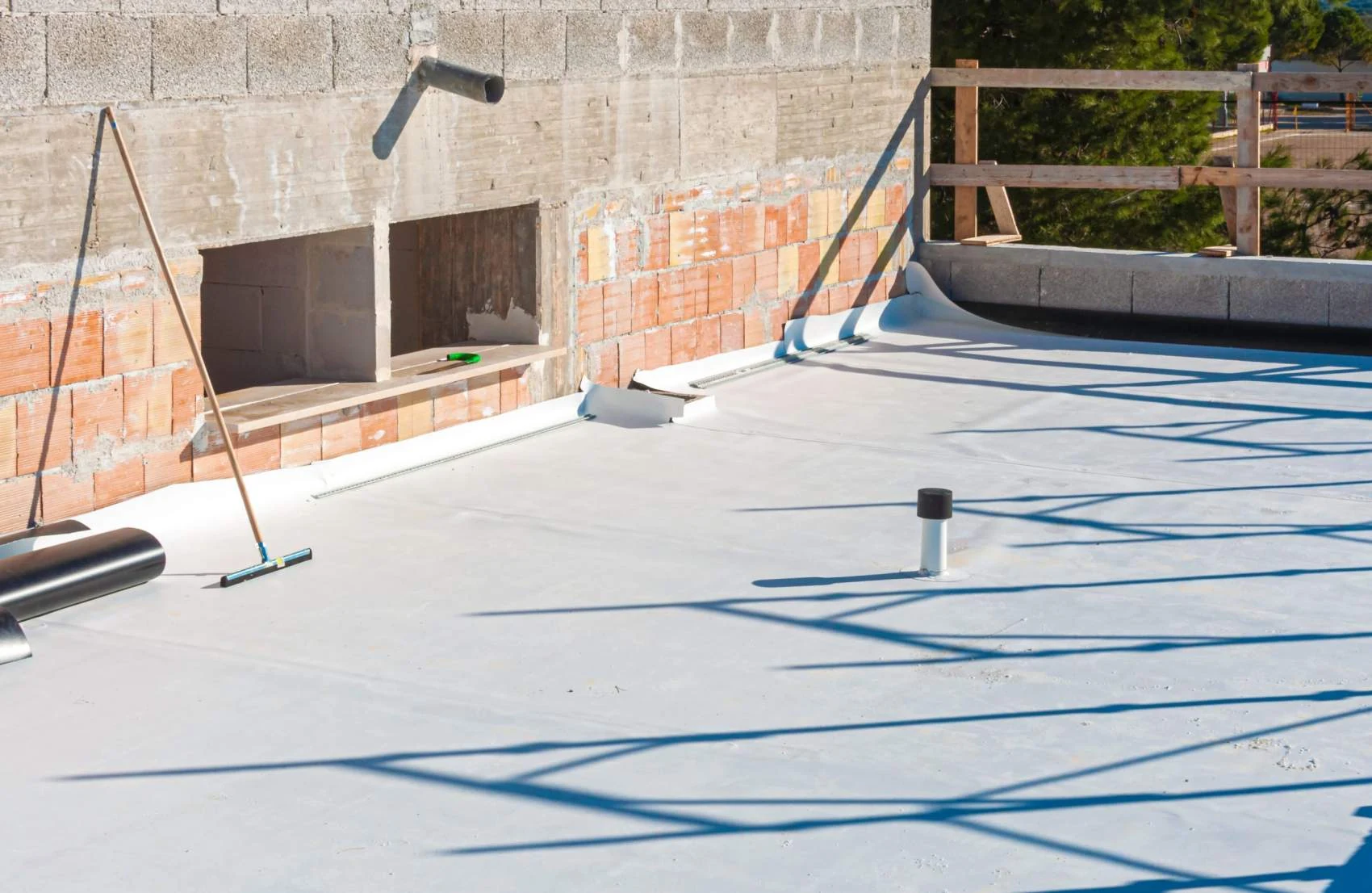
Like TPO, PVC seams are hot-air welded into a continuous sheet rather than taped or glued. That gives the membrane strong resistance to wind uplift along every seam, which matters as much on a restaurant roof as it does on a resort tower once a tropical storm starts pulling at the field.
We test weld strength during install with peel tests on sample seams, then verify again at final walk-through before the roof gets signed off.
Where We Spec PVC Over TPO
TPO is the default for most flat roofs on the Strand, but any building with kitchen exhaust, rooftop grease trap venting, or nearby chemical exposure moves us toward PVC instead. The cost premium over TPO is real, but it's cheaper than replacing a TPO roof early because grease degraded the membrane faster than expected.
We also lean toward PVC on roofs near HVAC condenser exhaust for large commercial kitchens or laundry facilities, where chemical byproducts in the exhaust stream create the same kind of long-term degradation risk as cooking grease.
- Standalone restaurant and QSR roofs
- Hotel and resort roofs with in-house kitchens
- Food-court and event-venue roofs
- Grocery store roofs with bakery or deli exhaust
- Buildings near rooftop chemical or solvent venting
- Roofs with heavy rooftop foot traffic from kitchen maintenance
UV and Salt Exposure on a PVC Roof
White PVC reflects coastal sun about as well as TPO, which helps keep rooftop temperatures down on a building that's already running heavy kitchen exhaust and cooling equipment. Salt air still works on any exposed fastener or edge metal the same way it does on every other membrane system here, so flashing detail and perimeter protection get the same attention regardless of which membrane sits in the field.
PVC membranes generally hold their plasticizers and flexibility longer than PVC alternatives once marketed for similar uses, which is part of why the material has become the standard choice for grease-heavy applications over the past couple decades.
What a PVC Reroof Looks Like From Walk-Through to Punch List
We start with a walk-through that maps every exhaust fan, grease interceptor vent, and kitchen hood termination point on the roof, since those are the areas that need the most careful flashing and cleaning access built into the design. From there we scope insulation condition, deck fastening, and drainage before pricing the job.
On an occupied restaurant or hotel kitchen, we also plan install around service hours -- welding and material staging happen when it won't put fumes or noise over an active dining room or guest floor below.
Coordinating Around a Kitchen That Never Fully Closes
Most restaurants and hotel kitchens along the Strand run close to nonstop during season, with a short prep window before doors open and cleanup running late. We build our crew schedule around those windows instead of treating the kitchen exhaust as background noise, because staging materials or running a welder near an active hood system during service creates problems for everyone on site.
Grease trap and hood cleaning crews are usually already on their own schedule at these properties, so we coordinate directly with facilities management to avoid two contractors working the same rooftop area at cross purposes.
Off-season, roughly late fall through early spring, gives us the widest install windows on restaurant properties since dining volume drops and kitchens run lighter hours. We still take grease-exposed reroofing jobs year-round when a membrane can't wait, but we push non-urgent work into that quieter stretch whenever the schedule allows it.
Restaurant and Hotel Kitchen Roof Questions
Why does grease damage a roof membrane at all?
Airborne grease breaks down the plasticizers that keep a membrane flexible. Over time that leaves the material brittle and more likely to crack at seams and penetrations.
Is PVC worth the extra cost over TPO?
On a roof with real kitchen exhaust or chemical exposure, yes -- the membrane lasts longer under that specific stress, which usually beats replacing a cheaper membrane early.
Can PVC handle Myrtle Beach's wind-uplift requirements?
Yes. Heat-welded seams and the right fastening pattern give PVC wind performance comparable to TPO for coastal wind zones.
Do you need special access for kitchen-heavy roofs?
Usually. We map exhaust and grease vent locations before pricing, since those areas need cleaning access built into the flashing detail, not bolted on afterward.
How often should a restaurant roof get inspected?
We recommend checking grease-exposed areas at least twice a year, since buildup around exhaust penetrations can hide early membrane damage.