
Repairing What Wind and Rain Actually Did to Your Roof
Once a tarp or temporary dry-in has stopped active water intrusion, the real work starts: figuring out the full extent of what a storm did to the roof and repairing it properly rather than just patching the obvious spots. Wind damage in particular tends to be worse than it looks from the ground, and rushing past a full assessment leads to repeat repair calls.
The Storm Damage We See Most Often Here
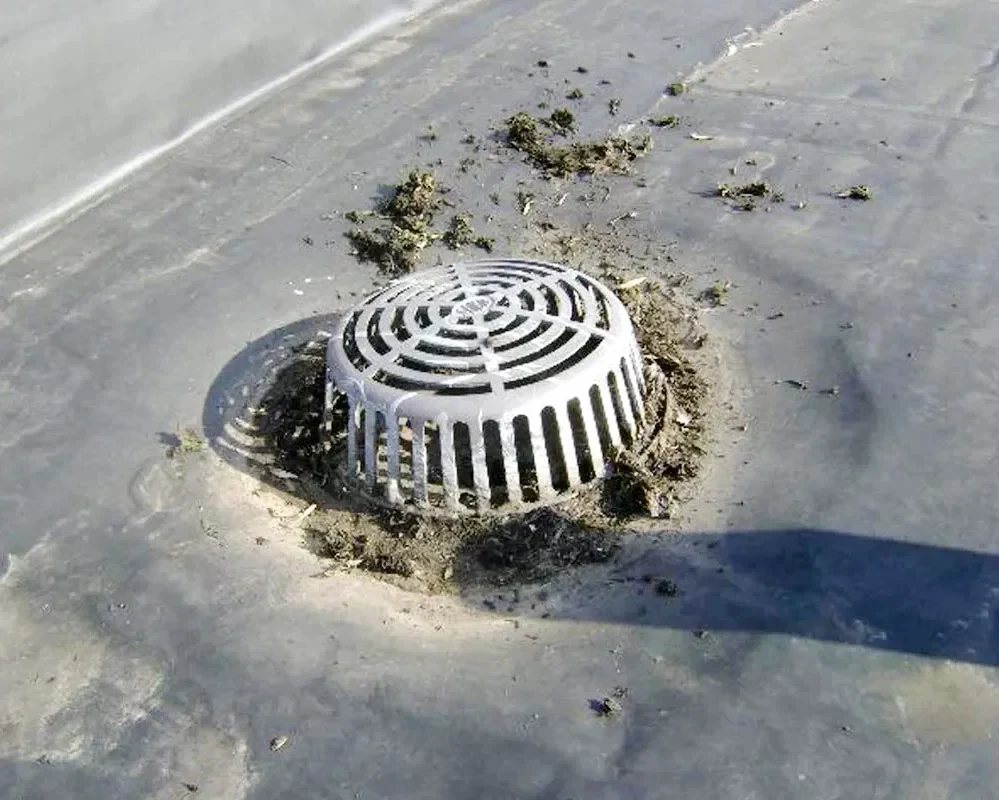
Wind uplift concentrates at perimeter and corner zones, where roof assemblies see the highest suction loads in a tropical system. Membrane that's lifted, creased, or torn loose at the edges is the most common damage type we find after a named storm passes through the Strand. Wind-blown debris, palm fronds, roofing granules from neighboring buildings, and occasionally construction debris carried by strong gusts, punctures membrane in the field, which is a different repair than edge damage and easier to miss on a quick visual check. Hail is rare here compared to inland markets, but isn't unheard of, and can dent metal roofing or bruise membrane in ways that aren't always visible until the surface is examined closely.
Assessment Before Repair Pricing
We don't price storm repair off a drive-by look. A proper assessment covers the full roof field, not only the areas that show obvious damage, because wind uplift often loosens fastening in spots that haven't fully failed yet but are compromised and likely to fail in the next event if not caught now. That assessment gets documented with photos tied to specific roof locations, which becomes the basis for both the repair scope and, where applicable, insurance documentation.
We separate storm-caused damage from pre-existing wear in our reporting. That distinction matters for insurance purposes and for your own understanding of what the storm actually did versus what the roof needed anyway.
Matching Repair Materials to What's Already There
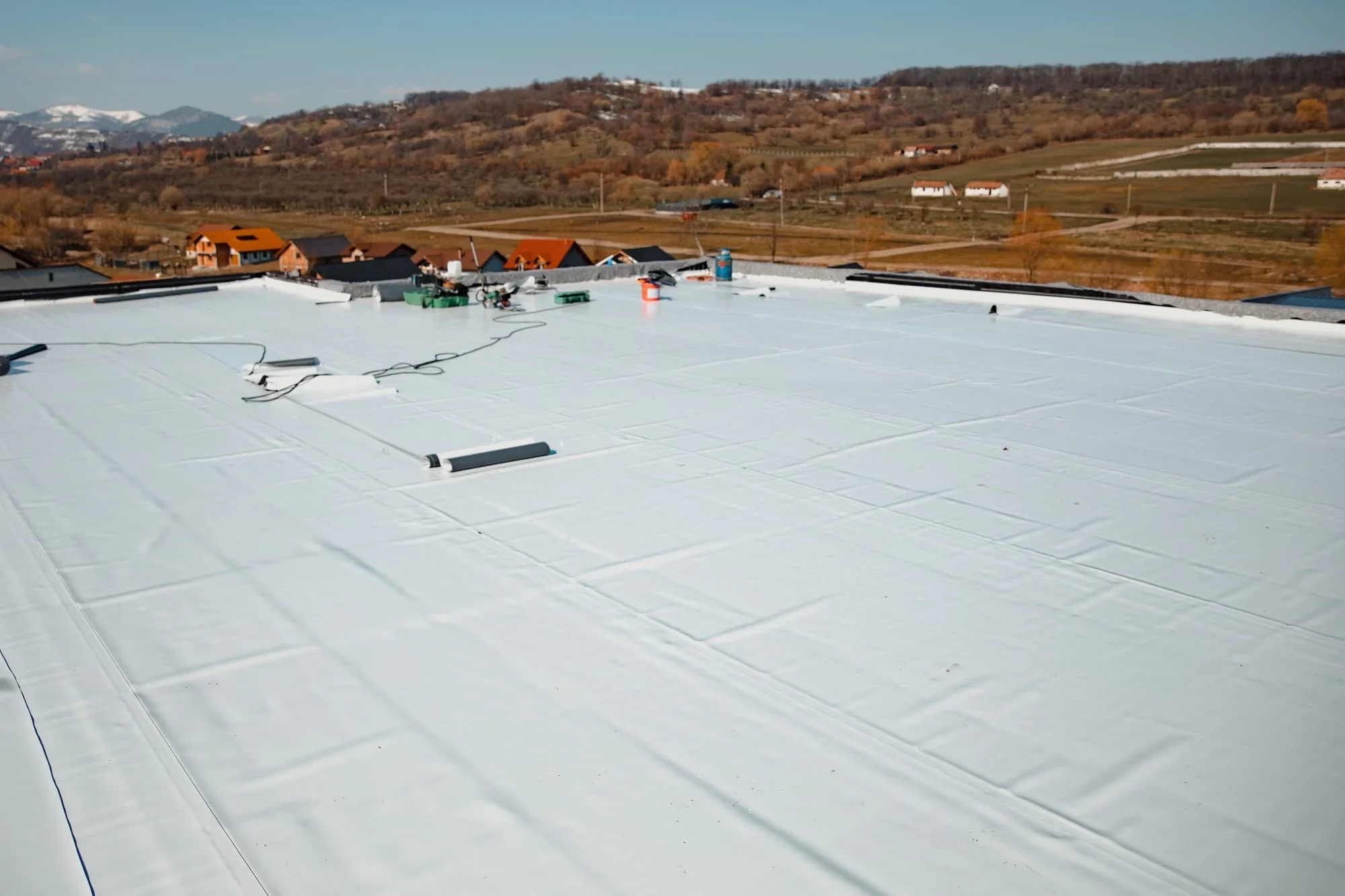
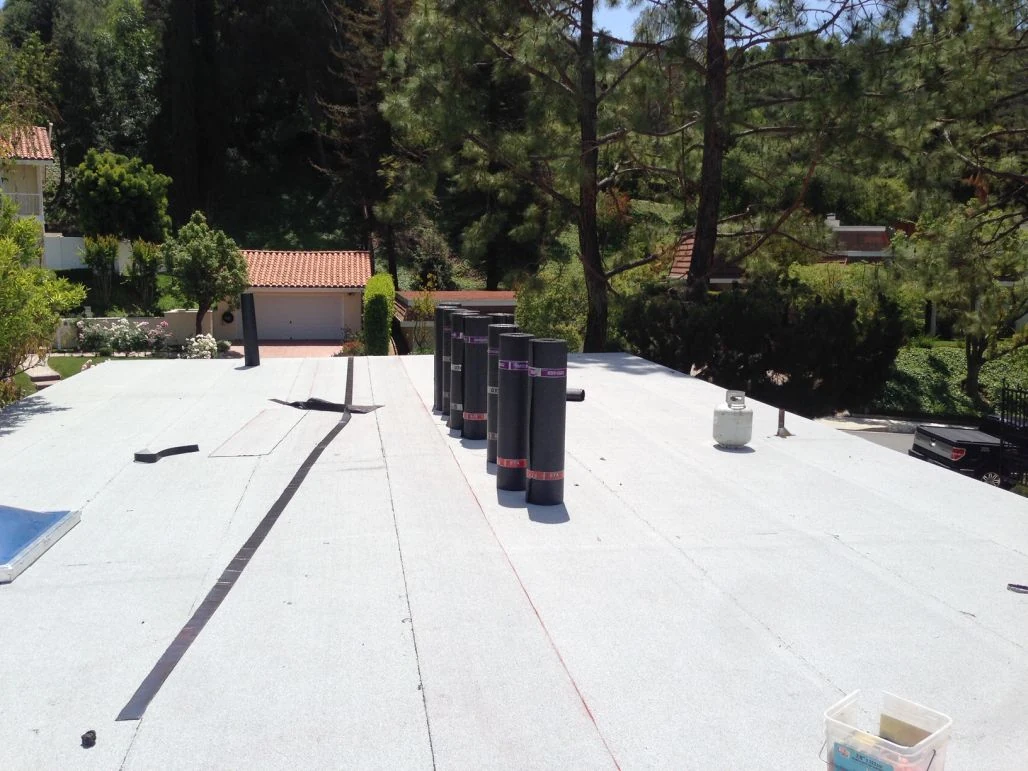
Storm repairs on an established roof need to use compatible materials to the existing system, both for performance and to avoid voiding a manufacturer warranty on the undamaged portions of the roof. We identify the existing membrane type, thickness, and manufacturer where possible before sourcing repair material, rather than defaulting to whatever's on hand. On older roofs where an exact match isn't available, we explain the tradeoffs of the closest compatible option.
Repair Scope: What Gets Fixed and How
- Full-field assessment beyond the visibly damaged areas
- Photo documentation tied to specific roof locations and storm date
- Membrane replacement at torn or lifted perimeter and corner zones
- Flashing repair at penetrations disturbed by wind or debris impact
- Edge metal and coping reattachment or replacement where corroded fasteners failed
- Fastening pattern upgraded to current code where the original didn't meet it
Coordinating With Adjusters Without Making Promises
We work alongside insurance adjusters and provide the documentation they need: photos, measurements, scope of damage, and repair recommendations grounded in what we actually found on the roof. We don't tell you what your claim will be approved for or guarantee an outcome with your carrier, since that determination isn't ours to make. What we can do is make sure the factual record supporting your claim is accurate and complete.
Timeline After a Major Storm
Repair timelines after a significant regional storm event depend on material availability and how many properties across the Strand need attention at once. We give you a realistic estimate based on current conditions rather than a generic promise, and we prioritize repair scheduling based on severity and occupancy risk, similar to how emergency response gets sequenced.
Material lead times can stretch after a widescale regional event, particularly for specialty membrane colors or thicker gauge metal for edge repairs. We tell you upfront if a specific product is backordered and offer a compatible substitute where one exists, rather than leaving a section of roof under a tarp indefinitely while waiting on a single preferred item.
Preventing the Same Damage Next Season
Storm repair is also a chance to correct whatever let the damage happen in the first place. If perimeter fastening didn't meet current wind uplift requirements, we upgrade it during repair rather than replacing like-for-like into the same vulnerability. If a specific edge detail failed, we look at whether the broader roof has the same detail elsewhere that's likely to fail in the next storm, and flag it even if it's outside the immediate repair scope.
Storm Repair Questions
How do you tell storm damage apart from normal wear?
Storm damage typically shows a clear pattern tied to wind direction and concentrates at edges, corners, and penetrations, while wear tends to be more evenly distributed and gradual. We document both separately in our assessment.
Can repairs happen before an insurance claim is settled?
Emergency dry-in work should happen immediately regardless of claim status to prevent further damage. Permanent repair timing depends on your situation, and we'll work with whatever timeline you're operating under.
Will you guarantee my insurance claim gets approved?
No. We provide accurate documentation and repair recommendations. Claim decisions are made by your carrier, and we don't make promises about outcomes we don't control.
What if damage is found that predates the storm?
We document it separately and explain the distinction clearly, since mixing storm damage with pre-existing wear in a repair scope can complicate your claim.
Do storm repairs come with a warranty?
Yes, repair work carries a workmanship warranty, and we confirm how it interacts with any existing manufacturer warranty on the roof before starting.