
PVC Roofing for Grease, Chemical, and Coastal Exposure
PVC membrane comes up on a smaller share of our jobs than TPO or EPDM, but on the buildings where it fits, nothing else in the single-ply category matches it. Restaurant roofs with kitchen exhaust grease, buildings near marina fuel operations, and some coastal properties where long-term membrane stability matters more than upfront cost all point toward PVC.
What Sets PVC Apart from TPO
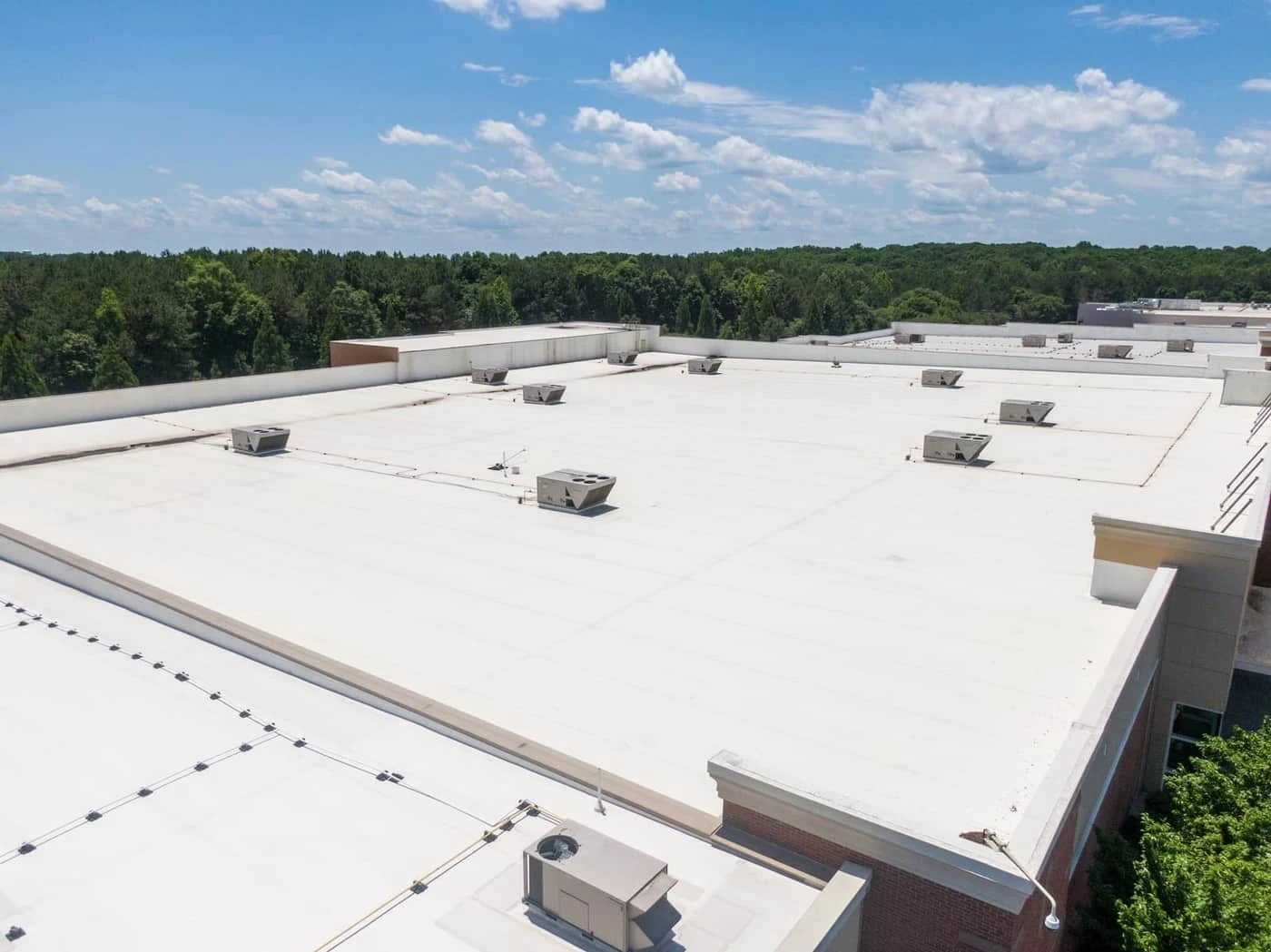
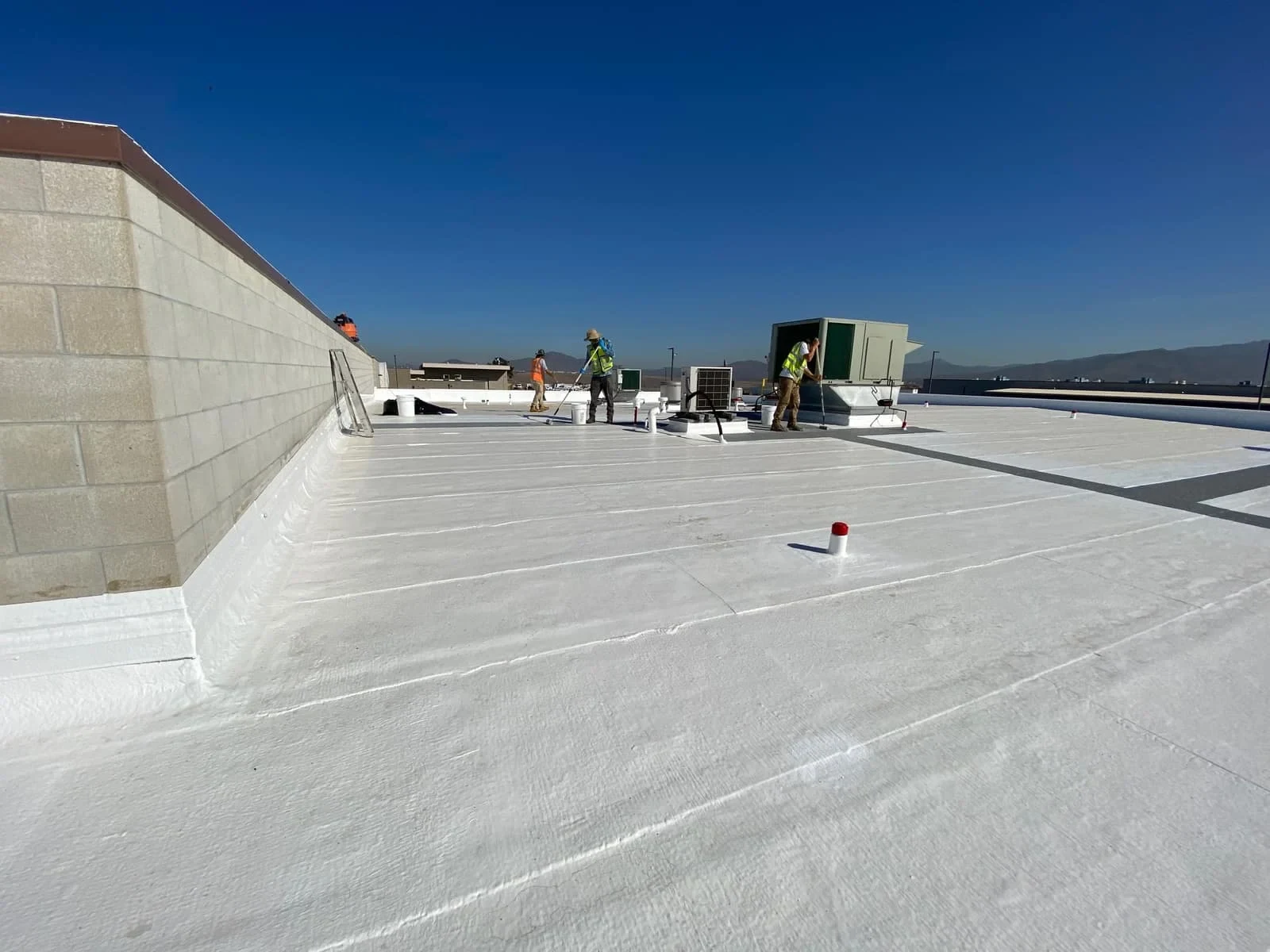
PVC and TPO look similar on the roof - both are thermoplastic single-ply membranes with hot-air welded seams - but the chemistry is different, and that difference matters for certain exposures. PVC resists grease, oils, and a range of chemicals significantly better than TPO's formulation. On restaurant roofs along Restaurant Row and the dining corridors around Broadway at the Beach, kitchen exhaust deposits grease on the roof surface over time, and TPO can soften or degrade under sustained grease contact in a way PVC doesn't.
Seam welding technique is similar between the two membranes, though PVC's chemical makeup gives it a track record of long-term weld stability that we factor in on buildings where seam integrity over twenty-plus years matters more than initial material cost.
Where We Spec PVC Around the Grand Strand
Beyond restaurant kitchens, we look at PVC for buildings with rooftop-adjacent grease trap venting, properties near the marinas along the Intracoastal Waterway where fuel and oil exposure is a real consideration, and any building where a tenant's exhaust or process venting puts contaminants on the roof surface regularly. It's a narrower use case than TPO's general-purpose fit, and we don't recommend it as a default membrane where TPO handles the exposure just as well for less money.
Wind Uplift and Coastal Fastening
PVC's fastening and wind uplift considerations track closely with TPO. In our high-velocity hurricane wind zone, perimeter and corner fastening density matters more than membrane chemistry, and we spec PVC systems to the same enhanced perimeter detail we use on TPO roofs in comparable exposure categories. The membrane's puncture resistance and weld strength give it good performance under wind-driven debris, which matters on roofs that catch airborne material during a tropical system.
Salt Air and Long-Term Membrane Stability
PVC handles UV exposure and coastal humidity well over its service life, and its resistance to plasticizer loss in newer formulations has improved significantly compared to older PVC products that sometimes became brittle with age. We still watch for early signs of surface stiffening or seam stress during maintenance visits, since it's a data point worth catching early even on a membrane with a strong long-term track record.
As with every membrane system on the coast, the metal components tied into a PVC roof - edge metal, fastener heads, pipe boot collars - corrode faster near the ocean than the membrane itself ages. We spec corrosion-resistant hardware on PVC roofs the same way we do on TPO and EPDM systems this close to the water.
- Superior grease, oil, and chemical resistance compared to TPO
- Hot-air welded seams with strong long-term weld stability
- Fits restaurant, kitchen exhaust, and marina-adjacent buildings well
- Enhanced perimeter fastening for coastal high-velocity wind zones
- Improved plasticizer retention in current formulations versus older PVC products
- Corrosion-resistant fasteners and edge metal recommended near the coastline
Cost Compared to TPO and EPDM
PVC typically costs more per square than standard TPO. For buildings without grease, chemical, or specialized exposure, that added cost doesn't buy a proportional benefit and we recommend TPO instead. Where the exposure calls for it - a restaurant kitchen, a marina-adjacent facility, a building with rooftop process venting - the added cost is the right trade for a membrane that won't degrade under contact the general-purpose options can't handle.
Installing PVC Over Existing Grease-Contaminated Roofs
Converting a restaurant roof from an older membrane to PVC usually starts with dealing with whatever grease has already worked its way into the existing surface. A standard moisture survey doesn't catch grease contamination the way it catches trapped water, so we walk restaurant roofs specifically looking for softened membrane, discoloration around exhaust fan locations, and any spot where the old surface has clearly absorbed kitchen exhaust over the years. Contaminated sections sometimes need additional deck prep or a full tear-off in that area even when the rest of the roof would otherwise support a recover.
Once the new PVC membrane is down, keeping exhaust fan grease traps and roof-mounted filters maintained on the tenant side matters just as much as the membrane choice itself, since a well-specified PVC roof still degrades faster if grease is allowed to pool unchecked around exhaust equipment.
Questions About PVC Roofing
Is PVC roofing better than TPO for restaurants?
For roofs exposed to kitchen exhaust grease specifically, yes. PVC resists grease-related membrane softening in a way TPO doesn't, which matters on buildings with rooftop kitchen exhaust venting.
Does PVC hold up in hurricane-force wind the same as TPO?
Wind performance depends primarily on the fastening pattern and attachment method for the building's wind zone, and PVC systems are speced to the same enhanced coastal fastening detail as TPO systems here.
Why don't you recommend PVC on every roof if it performs so well?
Cost. PVC runs higher than TPO for most buildings, and on roofs without grease, chemical, or specialized exposure, TPO delivers comparable field performance for less money.
Does older PVC roofing become brittle over time?
Some older PVC formulations were prone to plasticizer loss and brittleness with age. Current product lines have largely addressed that issue, though we still monitor membrane condition during routine inspections.
Can PVC be installed as a recover over an existing roof?
In some cases, if a moisture survey confirms the existing assembly is dry and sound. Grease-contaminated roofs sometimes require additional deck preparation before a PVC recover, which we assess case by case.