
60 Mil TPO on Myrtle Beach's Hotel and Retail Roofs
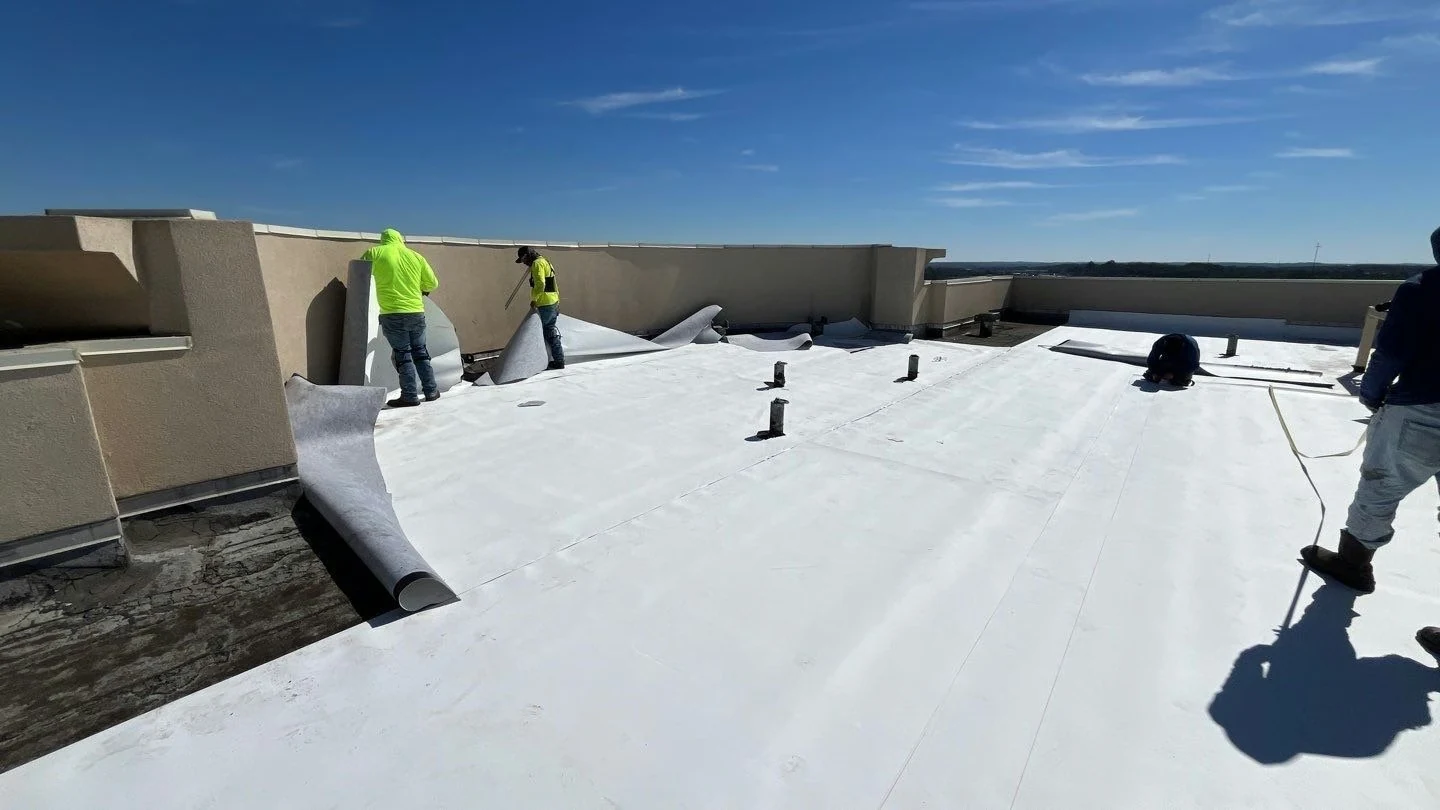
60 mil TPO is the membrane we spec most often on standard reroofs across the Grand Strand, from strip retail along US-17 to smaller hospitality buildings set back off the beach. It's a proven single-ply system, and at this thickness it does the job well on roofs that aren't fighting the hardest wind exposure or the most foot traffic.
Where 60 Mil Fits the Building
We reach for 60 mil TPO on roofs where the deck is in decent shape, the wind exposure is moderate rather than extreme, and the budget matters as much as the spec sheet. That covers a lot of the retail strips off Highway 501 and the office buildings tucked behind Kings Highway, where the roof isn't taking rooftop-unit traffic every day and the geometry is straightforward.
At 60 mil, the membrane still carries a real puncture and tear resistance, and the heat-welded seams give a continuous, monolithic surface once the crew is done. What changes as you move up to 80 mil is margin - more material to absorb impact, more thickness to tolerate a slightly rougher deck. For a lot of buildings that margin isn't necessary, and paying for it doesn't change the roof's performance in a meaningful way.
Wind Uplift and Fastening Patterns Here
Coastal Horry County sits inside a high-velocity hurricane zone, and that shapes how we fasten a 60 mil TPO system more than the membrane thickness does. Perimeter and corner zones get tighter fastener spacing than the field of the roof, following the uplift pressures called out in the wind design for the building's height and exposure category. On a hotel roof near the boardwalk or a big-box store off Carolina Bays Parkway, that perimeter detail is where a roof holds together in a tropical system or lets go.
We don't treat the fastening pattern as a formality. A field crew that skips the tighter perimeter spacing to save an hour is setting up a membrane edge to peel the first time a named storm tracks up from Florida. We follow the manufacturer's uplift-rated pattern for the specific wind zone and building height, not a generic layout pulled from a different job.
Seam Welding in Grand Strand Humidity
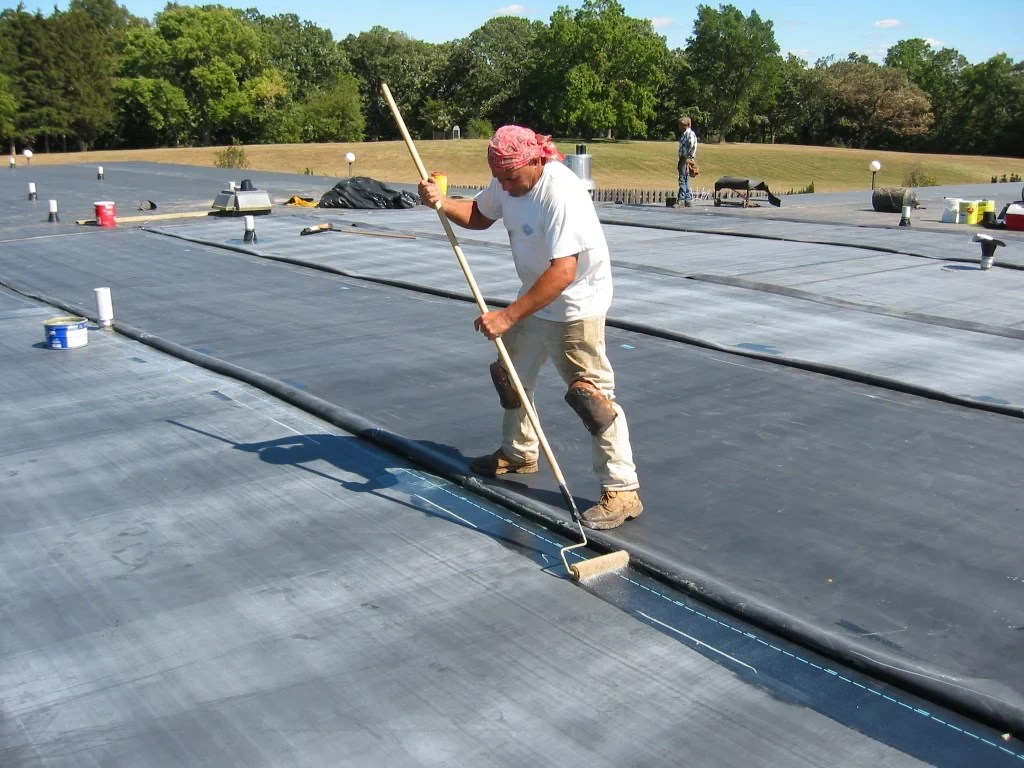
TPO's hot-air welded seams are one of the system's advantages over adhesive-seamed membranes, but heat welding in Myrtle Beach's humidity takes attention. Moisture on the membrane surface, common on early-morning jobs near the water, has to be cleared before welding or the weld won't fuse properly. We test seam strength with a probe on a sample section before signing off rather than relying on a visual check alone.
Salt-laden air off the Atlantic doesn't degrade the TPO membrane itself the way it eats bare steel, but it does accelerate corrosion on exposed fasteners, edge metal, and any unprotected metal flashing tied into the system. We factor that into the metal components we spec alongside the membrane, beyond the membrane order itself.
UV Exposure and Reflectivity
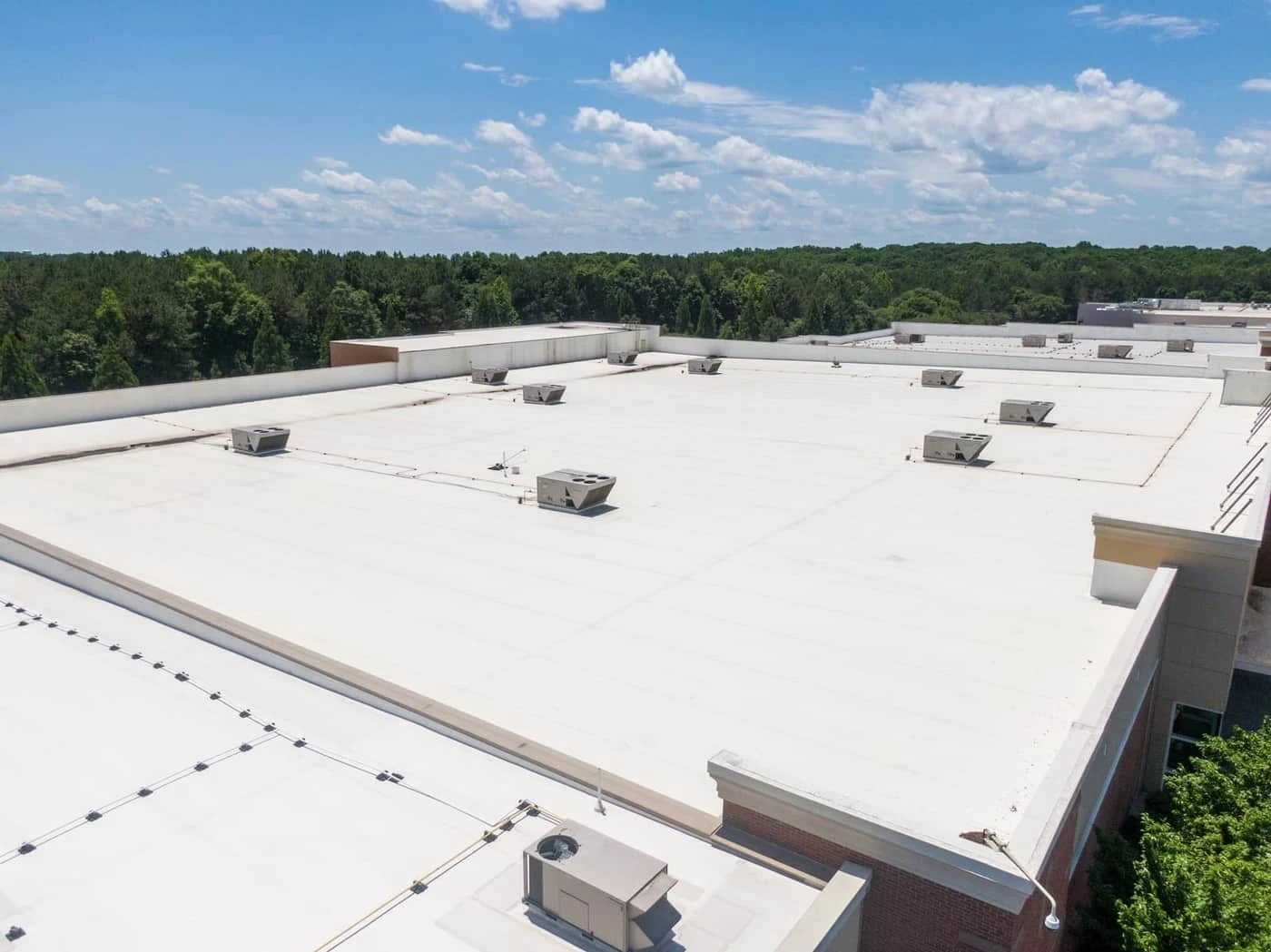
White TPO's reflective surface helps on flat-roofed retail and hospitality buildings baking under the Grand Strand sun for most of the year, cutting rooftop unit run time and slowing membrane aging compared to a dark roof. UV does still break down the membrane surface over the life of the roof, which is why we watch for chalking and granule loss during our inspection visits rather than assuming reflectivity means maintenance-free.
- Mechanically fastened or fully adhered attachment depending on deck type and wind zone
- Hot-air welded seams for a monolithic membrane surface
- Tighter fastener spacing at perimeter and corner zones for hurricane-zone wind uplift
- Reflective white surface reduces rooftop heat load and unit run time
- Compatible with most polyiso insulation and cover board packages
- Lower material cost than 80 mil for comparable roof geometry
Maintenance on a 60 Mil System
60 mil TPO holds up well under normal foot traffic for service and inspection, but it's thinner than 80 mil, so we're more conservative about where equipment gets set down or dragged across the field. On hotel roofs with satellite dishes, HVAC units, and the occasional rooftop event structure, we walk the membrane before and after any outside contractor works up there, because punctures from someone else's equipment are the most common failure point we see on 60 mil roofs.
Seams and penetration flashings get checked twice a year at minimum, more often on buildings closer to the ocean where salt fog reaches the roof directly. Catching a lifted seam edge before storm season is a lot cheaper than chasing a leak during one.
Common Questions on 60 Mil TPO
Is 60 mil TPO rated for hurricane-force wind here?
It can be, depending on the fastening pattern and the building's specific wind design. The membrane thickness alone doesn't determine wind rating - the attachment method and fastener density do, and we spec those to the wind zone and building height, not a generic pattern.
How does 60 mil compare to 80 mil for a beachfront property?
For higher-exposure buildings right along the coast or roofs with heavier equipment traffic, we usually recommend 80 mil for the added puncture margin. For set-back retail and office buildings with lighter exposure, 60 mil performs well at a lower material cost.
Does salt air shorten the life of a TPO membrane?
The membrane itself resists salt exposure reasonably well. The bigger risk is to unprotected metal fasteners, edge metal, and flashing components, which is why we spec corrosion-resistant hardware on coastal jobs rather than standard-grade fasteners.
Can 60 mil TPO go over an existing roof?
Sometimes, if the existing roof passes a moisture survey and the deck is sound. We don't recommend recover over a wet or heavily ponded roof regardless of membrane thickness - that's a tear-off conversation.
How long does a 60 mil TPO installation take on a typical retail building?
It depends on roof size and deck condition, but a straightforward retail or office roof usually moves faster than a hotel roof with dozens of penetrations, dishes, and rooftop units to flash around individually.