
Full Reroofs for Grand Strand Properties That Can't Go Dark
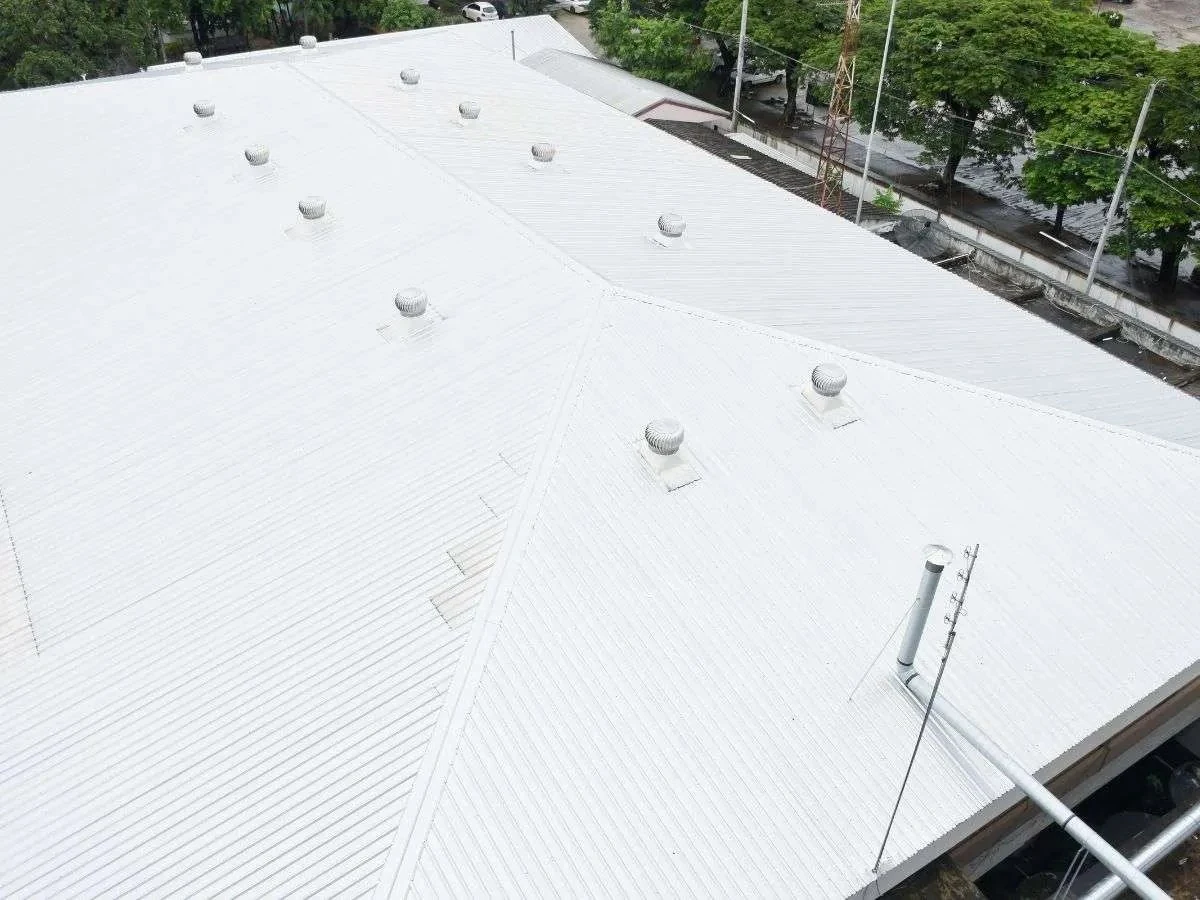
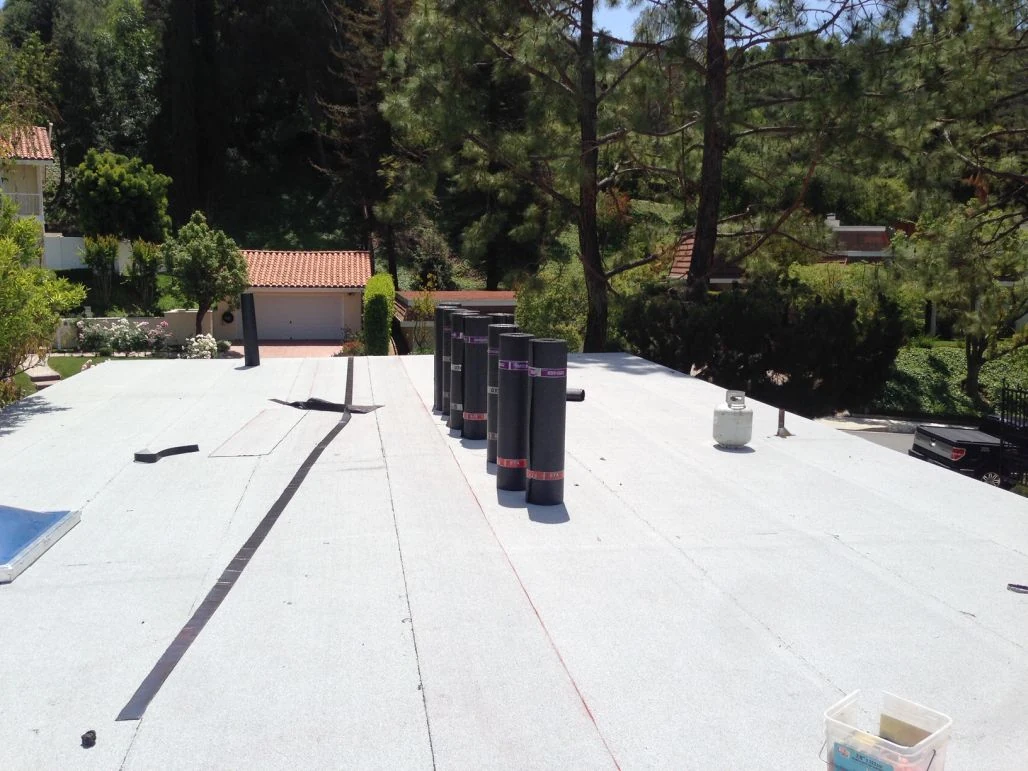
When a low-slope roof on a hotel, resort building, or strip center between the Waterway and the Bypass finally hits the end of its service life, the decision to reroof usually isn't optional anymore. We handle full commercial reroofs from the tear-off deck inspection through final walk with an eye on the one thing that separates this market from an inland office park: your building probably can't close.
Why Roofs Here Age Faster Than the Spec Sheet Says
Manufacturer warranties are written for average conditions, and Horry County doesn't offer average conditions. UV exposure runs close to year-round, humidity keeps membranes and mastics working overtime, and salt-laden air off the Atlantic corrodes fasteners, edge metal, and exposed hardware faster than the same materials age forty miles inland. A twenty-year TPO system on a Carolina Forest distribution building might genuinely run twenty years. The same membrane on an oceanfront hotel in North Myrtle Beach is doing a harder job.
Add in a hurricane season that runs June through November and stacks wind events on top of thermal cycling, and a lot of reroof decisions here get made not because a roof simply got old, but because storm damage layered onto an already-tired system pushed it past the point where another patch makes financial sense.
Reading the Deck Before We Talk Membrane
Every reroof starts with a real look at what's under the existing system, not only a visual from the parapet. Wet insulation, rusted deck, and rotted nailers hiding under an intact-looking cap sheet are common on properties that have been patched year over year without a full core cut. We pull cores at multiple points, check for trapped moisture with infrared where conditions allow, and give you a straight answer on whether you're buying a new membrane over a sound deck or paying to fix problems the last roof was hiding.
That distinction matters for budgeting. A membrane-only reroof and a tear-off with deck repair and insulation replacement are different projects with different price tags, and we'd rather tell you that before the contract is signed than after the crew opens the roof.
Sequencing Work Around Your Calendar, Not Ours
Spring break, Bike Week, summer high season, and the fall golf calendar all put heavy occupancy pressure on hospitality and retail properties along the Strand. A reroof scheduled without regard for those windows creates problems that have nothing to do with roofing: guest complaints, blocked loading docks, noise during quiet hours, and lost revenue on rooms that can't be sold with equipment staged outside the window.
We build the phasing plan around your occupancy calendar, not a generic project timeline. That usually means:
- Breaking a large roof into sections so no more than one area is open to weather at a time
- Staging material drops and dumpsters away from guest entrances and pool decks
- Scheduling the loudest demo work outside early-morning quiet hours at hotels
- Coordinating crane or hoist access around valet and delivery traffic
- Holding extra dry-in material on site during hurricane season in case a system rolls through mid-project
- Sequencing tenant-facing retail sections last so storefronts stay presentable
Wind Uplift and What the Coastal Code Actually Requires
Roof assemblies within the coastal wind zones covered by South Carolina's building code carry higher uplift ratings than the same building type would need inland. When we reroof, the fastening pattern, perimeter and corner zone attachment, and edge metal detailing all get sized to the current code requirement for your building's exposure category, not whatever pattern happened to be on the roof before. That's often the biggest functional upgrade a reroof delivers even when the membrane looks similar to what came off.
Perimeter and corner zones take the worst of it in a named storm. We pay particular attention to fastener spacing in those areas and to how the new edge metal ties into parapet coping, since that's usually where wind gets a roof started peeling in the first place.
Choosing the System for the Building, Not the Cheapest Bid
TPO, EPDM, PVC, and modified bitumen all show up across Grand Strand commercial stock, and the right choice depends on the deck, the building's use, rooftop equipment load, and your hold period for the property. We walk through the tradeoffs in plain terms: reflectivity and seam-welding consistency with TPO, long field-membrane track record with EPDM, chemical resistance where a restaurant exhausts grease-laden air onto the roof, and the extra labor a modified bitumen torch-down or cold-applied system takes on a tight urban lot near Ocean Boulevard.
We're not going to steer you toward one system across every job. The building tells us what fits, and we lay out the real cost and lifespan differences so you're deciding with full information.
Warranty Transitions and What You're Actually Buying
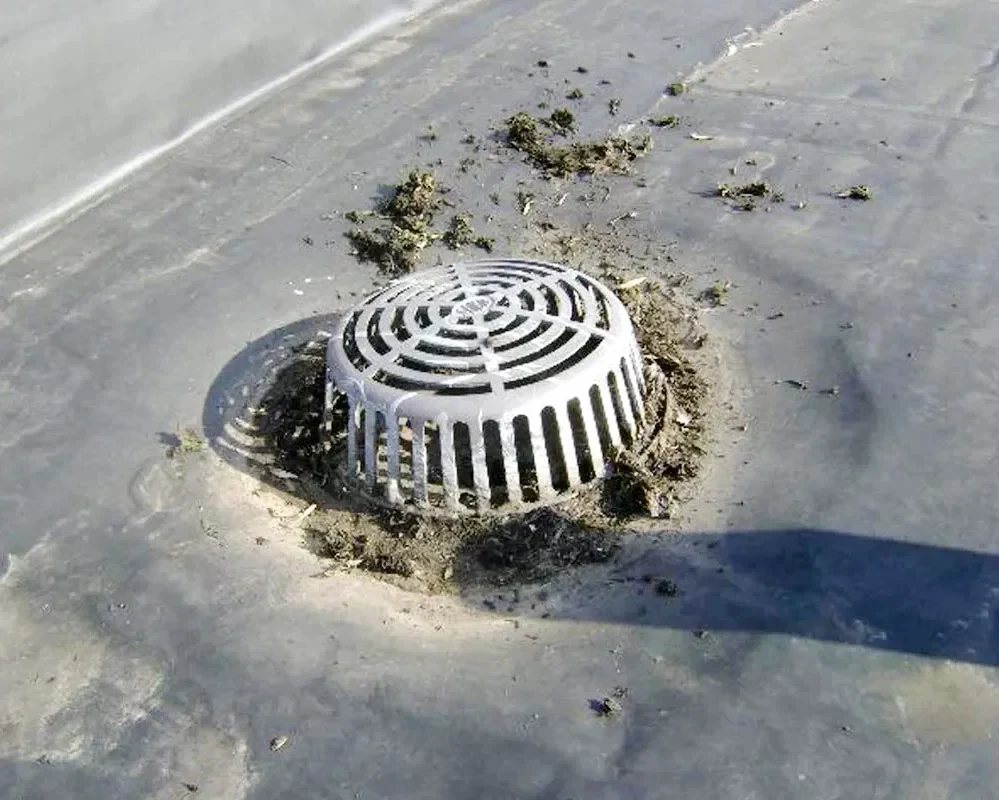
A new roof usually comes with a manufacturer warranty and a workmanship warranty, and the two aren't the same document with different letterhead. We walk you through what's covered, what voids coverage, and what maintenance obligations keep the manufacturer warranty intact over the years ahead. Coastal properties in particular need to understand how salt exposure and lack of drain maintenance can affect warranty standing, since manufacturers do factor environment into claims review.
Questions We Get Before a Reroof
How long does a full reroof take on a mid-size hotel deck?
It depends on size and phasing, but a 30,000 to 50,000 square foot hotel roof broken into weather-tight sections typically runs several weeks. We give you a section-by-section schedule up front so you know which areas are open on which days.
Do guest rooms or tenant spaces need to close during the reroof?
Usually not. We phase the work and protect interior spaces below active sections so occupied floors stay in use. Rooftop mechanical access may need brief coordination with your engineering team.
Can a reroof happen during hurricane season?
We'll do it if the timeline requires it, but we plan tighter phasing and keep dry-in material staged on site so an open section can be secured quickly if a storm develops.
What happens if the deck inspection finds more damage than expected?
We stop, document it with photos, and give you priced options before proceeding. You're never billed for deck repair you didn't approve first.
Will the new roof meet current coastal wind code even if the old one didn't?
Yes. Fastening patterns and edge details are engineered to current code for your building's exposure category regardless of what the prior roof used.