
Standing Seam Metal for Clubhouses, Canopies, and Steep-Slope Sections
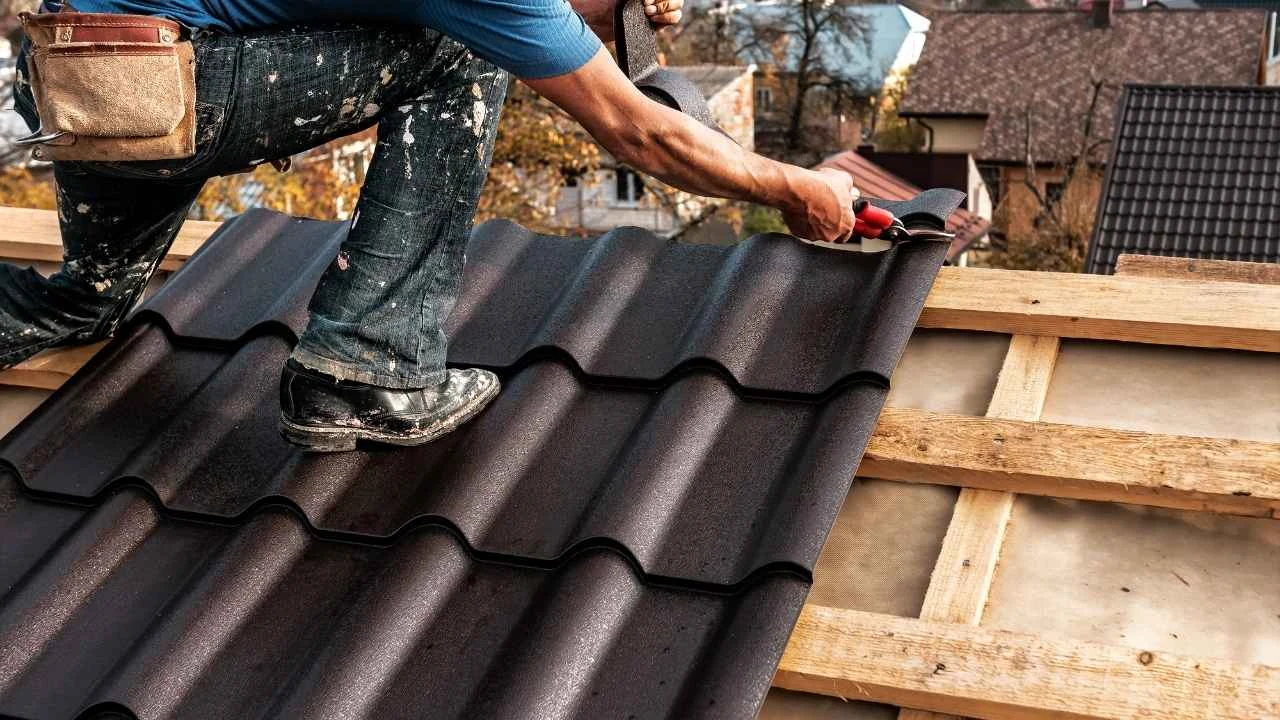
Standing seam is the metal system we specify most on the steep-slope portions of Grand Strand properties -- golf clubhouses, hotel porte-cocheres, and event venues -- where a concealed-fastener panel holds up better against salt air than anything with exposed screws.
Where Standing Seam Shows Up on the Strand
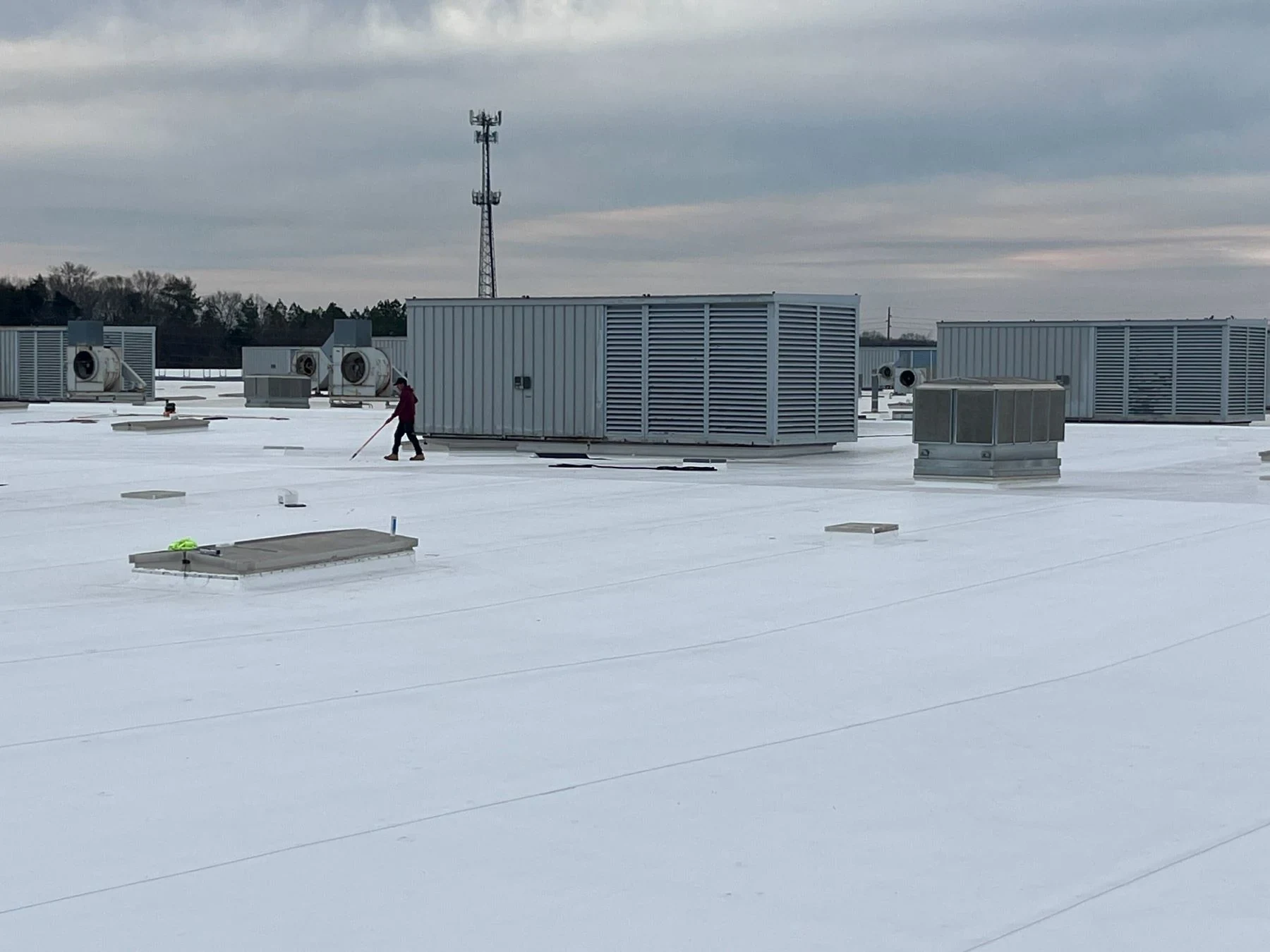
The Grand Strand's density of golf courses means we spec a lot of standing seam over clubhouse roofs, pro shops, and cart barns, usually paired with low-slope membrane over banquet and event space on the same building. Hotel entrance canopies and porte-cocheres are the other frequent application -- a highly visible roof section where appearance and long-term corrosion resistance both matter to ownership.
We also see standing seam on some of the newer mixed-use buildings around Market Common, where the architectural standard calls for a cleaner metal roofline than exposed-fastener panels provide.
Restaurant buildings with a steep-slope architectural roofline, common along the dining strips near the boardwalk and Broadway, are another regular application, usually paired with the same PVC or TPO membrane we'd spec on the flat sections handling kitchen exhaust.
Why Concealed Fasteners Matter This Close to Salt Water
Standing seam panels clip together with hidden fasteners underneath the raised seam, so there are no exposed screw heads sitting out in salt-laden air for years at a time. That's the main reason we push clients toward standing seam over exposed-fastener systems on any building within a mile or two of open water -- exposed fasteners are the first thing to corrode and the first thing that lets water in once they do.
The tradeoff is cost. Standing seam runs more per square than R-panel or corrugated metal, but on a coastal building the reduced long-term maintenance and lower leak risk usually justifies it, especially on a highly visible roof like a clubhouse or hotel entrance.
Clip Spacing and Wind Uplift Ratings We Spec for Coastal Wind Zones
The clips that hold a standing seam panel to the deck are engineered to a specific spacing based on wind uplift requirements, and we tighten that spacing on buildings with more open exposure to wind -- a clubhouse sitting on open fairway with nothing blocking gusts needs a different clip pattern than a canopy tucked behind a hotel tower.
Panel gauge and seam height factor in too. A thicker panel with a taller seam profile generally locks down tighter and resists wind uplift better, which matters more on the Strand during hurricane season than it does on a similar roof forty minutes inland.
- Golf clubhouse and pro shop roofs
- Hotel and resort porte-cocheres
- Event venue and banquet building rooflines
- Cart barns and recreation facility structures
- Mixed-use retail-office building accents
- Restaurant standalone roofs with architectural metal
Finish Coatings That Actually Hold Up in Salt Air
Not every factory paint finish on a metal panel is built for coastal exposure. PVDF-based coatings, often marketed under trade names like Kynar, hold color and chalk resistance far longer in salt air than lower-grade polyester finishes, which tend to fade and chalk noticeably within a few years this close to the ocean.
We spec PVDF finishes as the default on anything within visual range of the coastline, since a clubhouse or hotel canopy that fades unevenly within a few seasons becomes a visible maintenance complaint long before the panel itself has any functional problem.
Maintenance Most Owners Skip Until It's Expensive
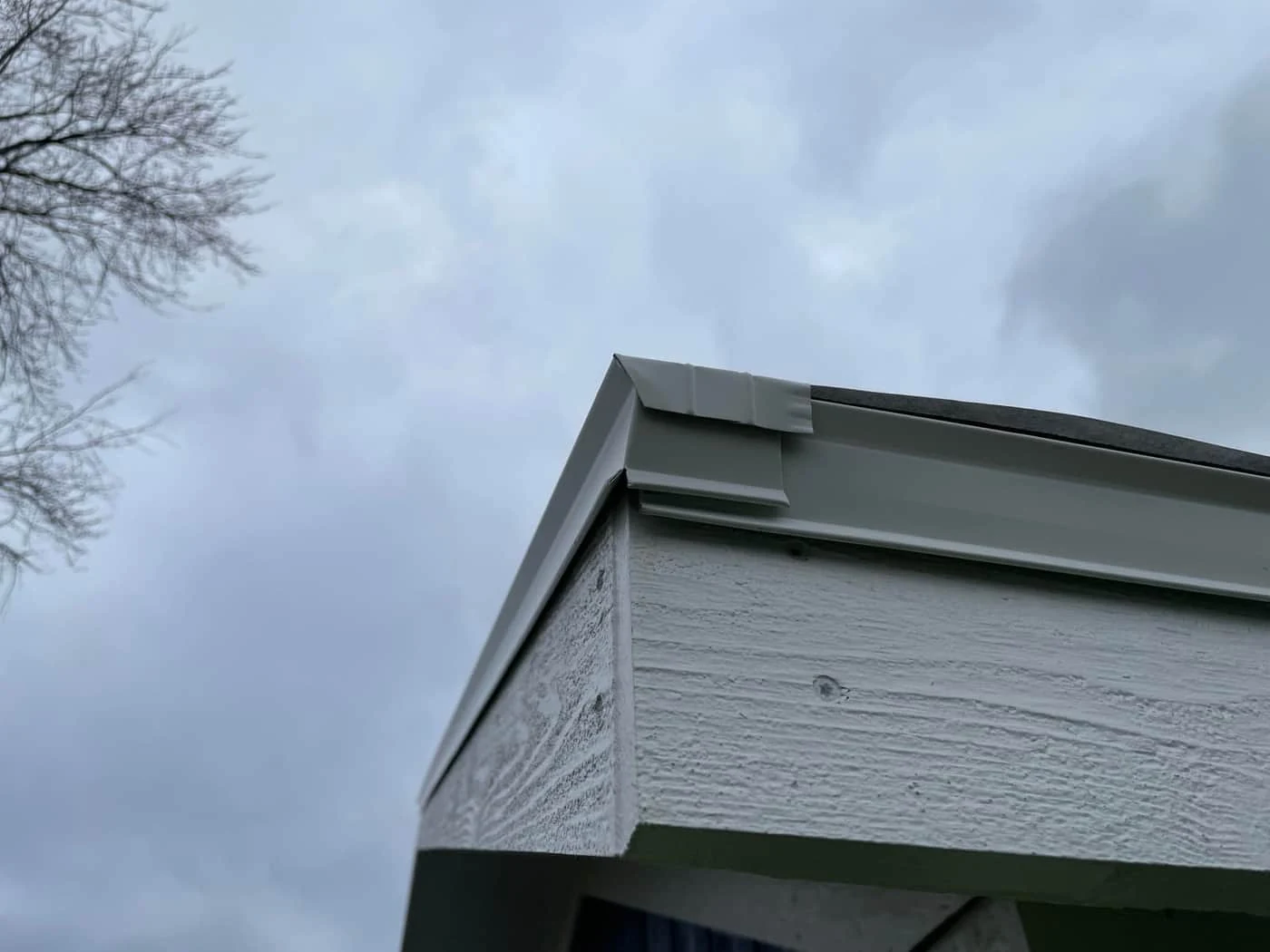
Sealant at penetrations, end-wall flashing, and any transition to a low-slope section needs periodic inspection even though the panel field itself is low-maintenance. We also check fastener integrity at the eave and ridge trim, since those trim pieces sometimes use exposed fasteners even on an otherwise concealed-fastener system.
Repair Versus Panel Replacement on an Aging Standing Seam Roof
Individual damaged panels can often be replaced without disturbing the surrounding field, which keeps repair costs down on a roof that's otherwise in good shape. We reach for full replacement only when corrosion, finish failure, or storm damage has spread across enough of the roof that patching individual panels stops making financial sense.
On golf clubhouse roofs especially, where the roofline is highly visible from the course and the parking area, we also weigh cosmetic consistency -- a handful of mismatched replacement panels next to decades-old finish can be a bigger complaint from ownership than the underlying performance issue.
Metal Roof Questions From Clubhouse and Venue Managers
Is standing seam worth the extra cost over R-panel here?
On a coastal building, usually yes -- the concealed fasteners avoid the corrosion problems that shorten an exposed-fastener roof's service life near salt water.
How does standing seam hold up in hurricane-force wind?
With properly spaced clips and the right panel gauge for the building's exposure, standing seam performs well under sustained wind uplift. We size clip spacing to each building's specific wind exposure.
What finish should we ask for on a beachfront metal roof?
A PVDF-based finish, sometimes sold under the Kynar name, holds color and resists chalking in salt air far better than standard polyester coatings.
Can standing seam tie into a low-slope membrane roof on the same building?
Yes, this is common on clubhouses and mixed-use buildings. The transition flashing between the two systems is where we focus extra attention during install and inspection.
How often does a standing seam roof need real maintenance?
Less than most systems, but sealant and trim fasteners at penetrations and transitions should still get checked periodically, especially after storm season.