Hurricane Damage Roof Insurance Claims in Myrtle Beach, SC
June through November puts every commercial roof on the Grand Strand within reach of a named storm, and a hurricane claim carries its own rules that a general wind claim doesn't. The deductible works differently, the damage designation matters, and the window to document condition before temporary repairs change it is shorter than owners expect. We assess and document hurricane damage with those specifics in mind.
Named-Storm Deductibles Work Differently Than Standard Wind
Most commercial property policies along the coastal Carolinas carry a separate, higher deductible that triggers specifically when the National Weather Service designates an event a named tropical storm or hurricane at the time it affected the property. That deductible is frequently a percentage of the building's insured value rather than a flat dollar figure, which changes the math substantially on a large commercial roof compared to a standard wind or hail deductible. Whether a given storm meets the named-storm trigger, and which deductible applies, is a policy and coverage question for your carrier and agent. What we control is making sure the roof condition and the storm timeline are documented clearly enough that the classification question doesn't come down to guesswork.
What Counts As Hurricane Damage Versus General Wind Damage
Carriers distinguish between damage caused during the specific window a storm carried named status and damage from wind events before or after that window, even in the same general timeframe. A roof that took wind damage from an earlier tropical disturbance and additional damage once a storm was upgraded to hurricane status may have two different damage events on the same roof, each handled under different policy terms. We document damage with dates and, where possible, tie specific findings to the storm timeline, rather than presenting a single undifferentiated damage narrative that leaves the classification open to dispute.
Coastal Wind Coverage Context on the Strand
Commercial properties in Horry County's coastal zone sometimes carry wind and hail coverage through a different structure than the rest of the property policy, reflecting the elevated named-storm exposure this stretch of coastline carries. Whether a specific property's wind coverage runs through the standard carrier or a separate coastal wind mechanism is a policy detail your broker can confirm; either way, the roof documentation a claim needs is the same; photographed, measured, dated evidence of what the storm did.
Documenting Damage Before It Changes
Hurricane damage on a low-slope commercial roof degrades fast once water intrusion starts, and a temporary tarp or dry-in, while necessary to stop further loss, can obscure the original damage pattern if documentation waits until after it's installed. We prioritize getting a photographed, measured assessment done before or immediately alongside emergency dry-in work, not after, so the record reflects what the storm actually did rather than what the roof looks like a week later under a tarp.
Adjuster Coordination After Landfall
Adjuster availability tightens across the region after a hurricane makes landfall along this stretch of coast, with carriers routing catastrophe teams to handle volume across dozens of properties at once. We keep our documentation format consistent regardless of which adjuster ends up assigned to a file, and we're available to walk the roof with whoever the carrier sends, on their schedule, once they're able to get to the property.
Hospitality and Multi-Building Portfolios Along Ocean Boulevard
Oceanfront hotels, resorts, and the restaurant-row properties that line the corridors feeding the beach carry roofs that see more direct hurricane exposure than buildings set further inland, and portfolios with several properties along the coast often need documentation formatted consistently so multiple claims can be tracked side by side. We use the same reporting structure across every roof we assess, whether it's a single freestanding restaurant or a multi-building hotel campus, so a risk management team reviewing several files at once isn't reconciling different report formats between properties.
Golf Clubhouses and Steep-Slope Roof Systems
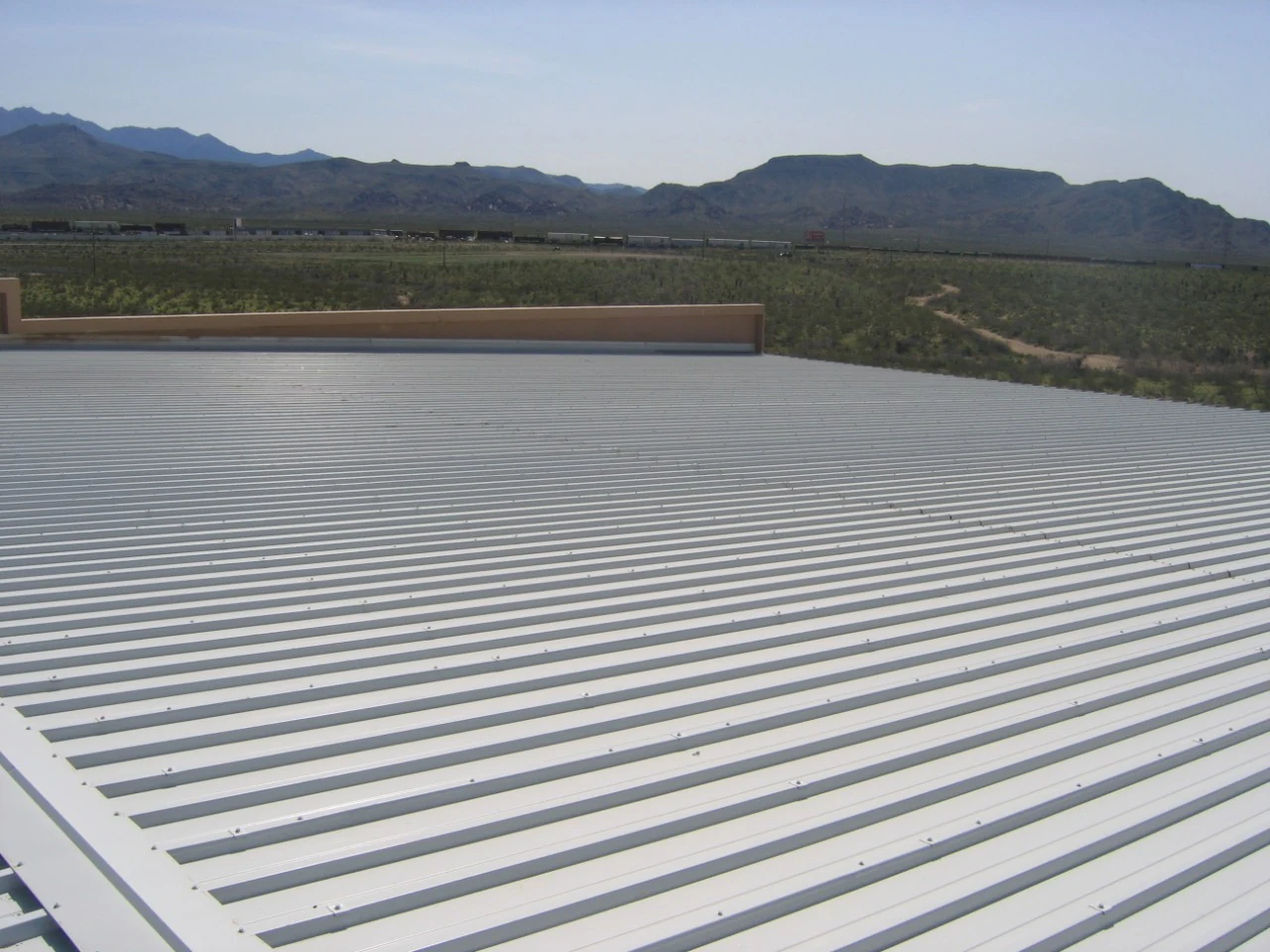
Not every commercial roof on the Strand is low-slope membrane. Golf clubhouses, event venues, and hotel porte-cochere canopies often carry standing seam metal or other steep-slope systems, and hurricane damage on those roofs looks different: panels lifted at a ridge or eave, sealant failure at penetrations, or fastener pull-through rather than membrane tears. We document steep-slope hurricane damage with the same photo-and-measurement approach, adjusted for what actually fails on that roof type.
Hurricane Claim Questions From Grand Strand Owners
Does a percentage deductible apply to every named storm?
That depends on your specific policy language and how the carrier defines a qualifying event. We're not positioned to interpret policy terms; your agent or carrier confirms which deductible applies to a given storm.
How soon after a hurricane should the roof be inspected?
As soon as it's safe to access the property. Documentation gathered before temporary repairs and additional weather alter the damage pattern is the most useful record for a claim.
Can hotel and resort properties get priority scheduling after a named storm?
We sequence assessments based on severity and occupancy risk, and oceanfront hospitality properties with guests on site are typically high priority for that reason.
What if our roof was already due for replacement before the storm hit?
We document pre-existing condition separately from storm-caused damage. That distinction affects how a carrier evaluates the claim, and we report it factually either way.
Do you handle the claim filing or carrier negotiation?
No. We're your roofing contractor, not a public adjuster. We document and substantiate the damage so you and your adjuster work from an accurate scope; filing and negotiating the claim is between you and your carrier.